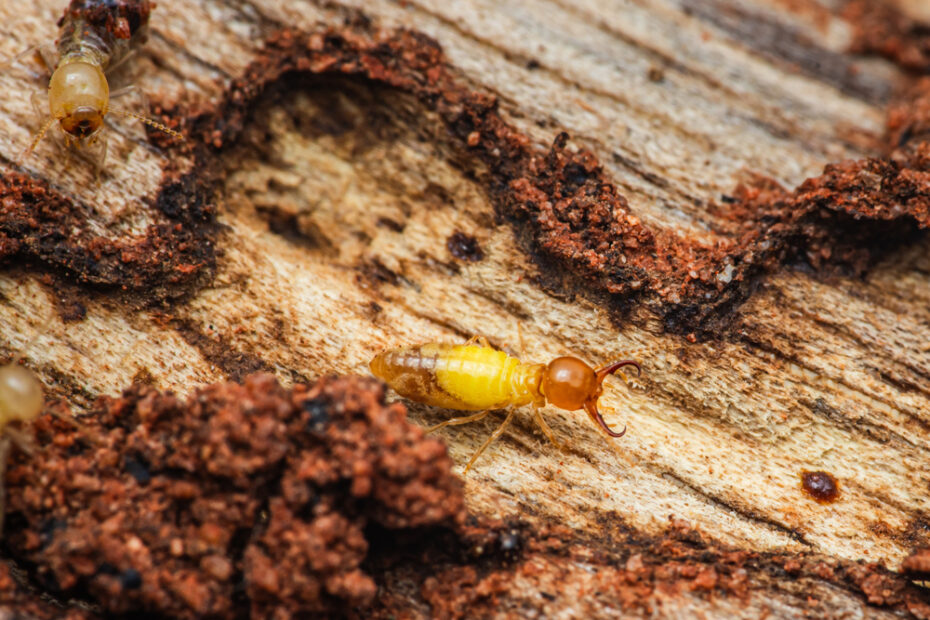
The Basement Termite Problem: Why Basements Are Termite Hotspots
Basements sit closer to the soil than any other part of a house, and soil is where subterranean termites, the most common and destructive species in the U.S., build their colonies. These insects need moisture and darkness to survive, and an unfinished basement with a musty smell, a slow leak, or a dehumidifier that never quite keeps up offers exactly that environment. Wood framing members, sill plates, and even cardboard boxes stored against a concrete wall become an easy bridge between the soil outside and the structure of your home. According to How To Detect and Deter Termites – This Old House, subterranean termites nest underground and travel through mud tubes to reach wood framing, and a single colony can hold anywhere from several hundred thousand to a million members capable of chewing through multiple building materials just to get to the wood they feed on.Homeowners often assume termite problems are a southern issue, but that’s an outdated idea. Termites are active in nearly every U.S. state except Alaska, and basements everywhere provide the same appealing mix of humidity, wood contact, and undisturbed darkness. If you’ve ever wondered why your neighbor with the older colonial-style home dealt with an infestation while a newer build down the street didn’t, the answer often comes down to moisture management and how the house was originally constructed, points covered in more depth in 4 ways that homes attract termites. Understanding those attractants before you finish a basement gives you a real chance to address them while the walls are still open.How to Spot Termite Damage Before It’s Too Late: 5 Warning Signs
The tricky part about termite damage is that it rarely announces itself with anything dramatic. Instead, you get subtle clues that are easy to write off as normal wear on an older house. Mud tubes running up the foundation wall, pencil-thin and the color of wet soil, are one of the clearest signs, since termites build these tunnels to travel safely between the ground and the wood above. Wood that sounds hollow or papery when you tap it, especially around sill plates, floor joists, or wooden support posts, is another red flag worth investigating with a flashlight and a screwdriver.Beyond those two big indicators, keep an eye out for small piles of what looks like sawdust or pepper near baseboards, which are actually frass, the droppings termites leave behind as they tunnel. Discarded wings scattered near windowsills or light fixtures suggest a swarm of reproductive termites recently passed through looking to start a new colony nearby. Paint that appears to be bubbling or wood flooring that seems to be buckling without any obvious water source can also point to moisture trapped by termite tunnels rather than a plumbing leak, so it pays to rule out pests before assuming it’s purely a waterproofing issue.4 Ways Homes Attract Termites (and How to Stop Them)
Wood-to-soil contact is one of the most common invitations a house unknowingly extends, whether that’s a wooden deck post buried directly in dirt or firewood stacked against the foundation. Excess moisture is the second major draw, since leaky gutters, poor grading, or a basement that never quite dries out creates the damp wood termites prefer. Mulch piled too high against the foundation acts as a moisture trap and a food source rolled into one, giving termites an easy path toward the house. Cracks in the foundation, even hairline ones, offer a direct route for termites to bypass exterior defenses entirely and reach the wood framing inside.Addressing these four factors matters just as much for a basement renovation as any cosmetic decision about flooring or lighting. Fixing grading issues, redirecting downspouts, and sealing foundation cracks all reduce the moisture that draws termites in the first place, and this overlaps directly with the kind of moisture control work reflected in basement waterproofing cost estimates. A dry basement is a far less hospitable place for termites to set up shop, which means pairing pest prevention with waterproofing work often protects your investment more effectively than tackling either one alone.Protecting Your Basement Investment: Prevention and Professional Solutions
The financial stakes of ignoring termite risk are higher than most homeowners realize. Termites damage roughly 600,000 U.S. homes every year, and the numbers behind that statistic help explain why professional inspections are worth the cost before any major renovation begins.| Statistic | Figure |
| Homes Damaged by Termites Annually | 600,000 U.S. homes per year |
| Annual Termite Damage Costs | $5 billion in control and repairs; $30 billion including non-residential structures |
| Average Repair Cost Per Home | $3,000 to $3,300 per homeowner |
| Property Value Impact | ~20% decrease in value for homes with termite damage history |
| Colony Damage Speed | 60,000-termite colony can consume a 2×4 in 5 months; Formosan colonies cause extensive damage in under 6 months |
Run the numbers: Damaged beams, joists or sill plates may need structural repair before you finish. Price it with our foundation repair cost calculator, then budget the rest of the project with our basement finishing cost calculator.