Basement Waterproofing Cost Calculator
- 2026 contractor pricing
- Compares 3 repair approaches
- Shows what you can DIY
How much does basement waterproofing cost?
Most homeowners spend $4,000 to $15,000 to waterproof a basement. A DIY sealer and gutter fix can come in under $1,000, while digging out and sealing the outside of every foundation wall can pass $30,000. What you pay depends far more on which fix your basement needs than on its size. That’s why the calculator compares three approaches side by side.
Here’s what the calculator returns for a typical 1,000 sq ft basement (about 145 linear feet of wall, 7 ft deep, poured concrete, average U.S. pricing):
| Approach | One wall | Two walls | Whole basement |
|---|---|---|---|
| Seal & redirect | $4,200 | $5,100 | $6,900 |
| Interior drainage | $7,800 | $10,300 | $15,200 |
| Exterior waterproofing | $11,700 | $18,600 | $32,300 |
Cost by repair method
| Method | Typical price | Best for |
|---|---|---|
| Gutter & downspout fixes | $300–$1,500 | Water pooling next to the foundation |
| Regrading the yard | $1,000–$3,000 | Soil that slopes toward the house |
| Interior waterproof sealer | $3–$4 per sq ft of wall | Dampness on poured walls |
| Crack injection | $400–$800 per crack | Leaks through a single crack |
| Whole-basement dehumidifier | $1,200–$2,000 | Humidity and condensation |
| Interior drain tile | $45–$75 per linear ft | Seepage where the wall meets the floor |
| Sump pump & pit | $1,500–$3,000 | Any drain system or recurring flooding |
| Battery backup pump | $1,000–$1,500 | Storms that knock out power |
| Exterior excavation | $150–$350 per linear ft | Serious leaks or new construction |
| Wall bracing | $500–$1,200 per brace | Bowing or cracked walls |
Find the source before you pay for a fix
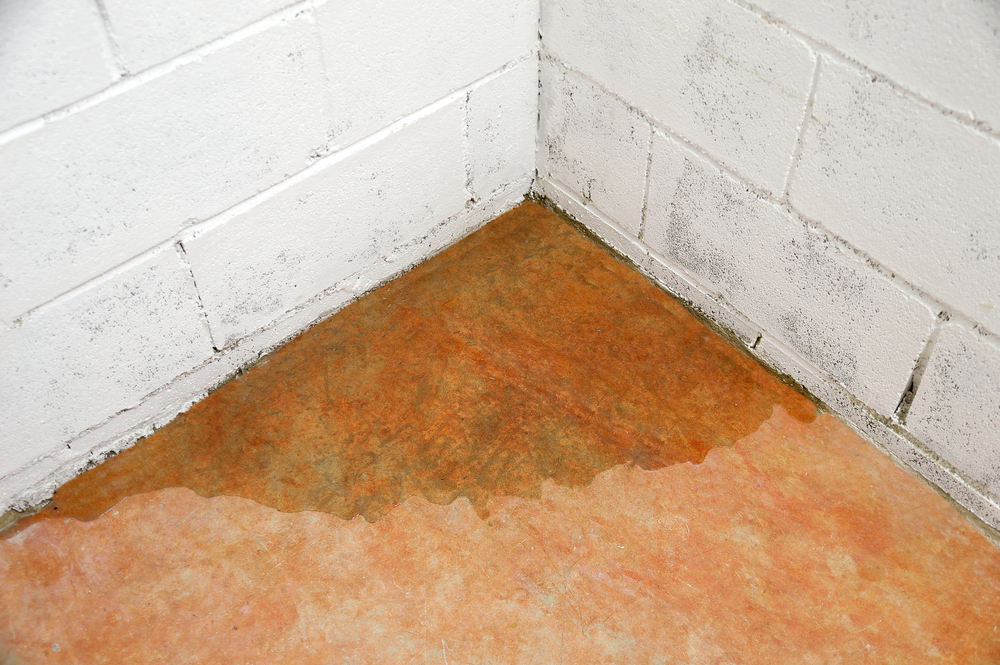
The cheapest waterproofing job is the one that matches the actual problem. Watch for these signs:
- Musty smell, damp air, sweating pipes: usually humidity and condensation, not a leak.
- Wet line where the wall meets the floor: water pushing up under the wall. That’s classic seepage.
- White chalky deposits (efflorescence) or tide marks: water has been moving through the concrete.
- Drips from a crack, window well or corner after rain: a specific entry point you can often fix on its own.
- Bowing walls or cracks wider than 1/4 inch: soil pressure. Get a structural opinion before waterproofing.
Try the plastic sheet test. Tape a two-foot square of plastic tightly to the wall and leave it for a week or two. Moisture on the room side means humidity. Moisture behind the plastic means water is coming through the wall. Humidity problems are solved with a dehumidifier and better air flow, not a drain system. Our guide to dehumidifying a basement covers that route.
Always check the outside first. Clogged gutters, short downspouts and soil that slopes toward the house cause a large share of wet basements. Fixing them costs a few hundred dollars and sometimes solves the problem outright.
Interior vs. exterior waterproofing
Interior drainage is what most waterproofing companies install. A crew cuts a trench around the inside edge of the floor, lays perforated pipe in gravel, and routes the water to a sump pump. A dimpled membrane on the walls channels any seepage down into the drain. It doesn’t stop water from reaching the wall, but it controls it reliably, costs about half as much as exterior work, and doesn’t tear up your yard. Most companies back it with a lifetime or transferable warranty.
Exterior waterproofing means excavating down to the footing, cleaning and repairing the wall, applying a waterproof membrane, and adding a footing drain before backfilling. It’s the only method that keeps water off the foundation entirely, so it’s the best choice when walls also need structural repair. The price climbs quickly with depth and with anything in the way, such as decks, patios, driveways, mature landscaping or a neighbor’s lot line.
Sealers and coatings work on damp poured-concrete walls with no real water pressure behind them. They’re cheap and DIY-friendly, but they won’t hold back active leaks and tend to peel on block or stone walls.
What pushes the price up or down
- How much wall is affected. Drain tile and excavation are priced per linear foot. Fixing one wet wall costs a fraction of wrapping the whole foundation.
- Foundation type. Block walls need weep holes drilled into the cores, and stone foundations are harder to seal. Both cost more than poured concrete.
- Depth and access. Deeper basements mean deeper digging outside. Finished walls inside may have to come out and go back in.
- Structural damage. Bowing walls need bracing or anchors, and large cracks need repair before any waterproofing will hold.
- Where you live. Labor in high-cost metros can run 20–45% above the national average.
DIY vs. hiring a pro
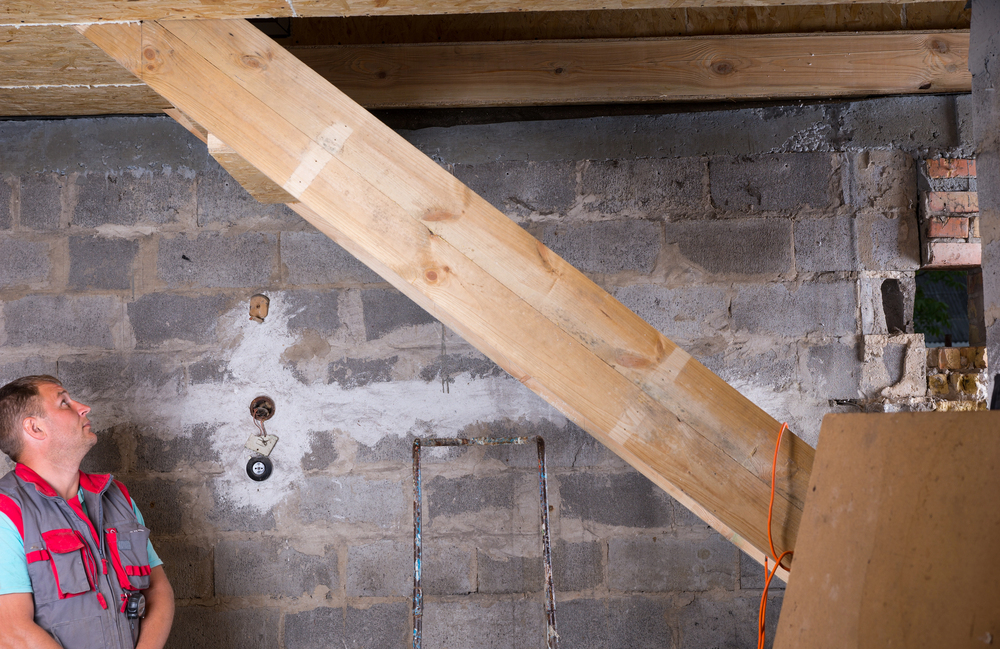
Several jobs are well within reach of a handy homeowner: cleaning and extending gutters and downspouts, regrading soil, sealing small cracks with an injection kit, and rolling on a masonry waterproofing sealer. That last one goes on a lot like painting your house, though surface prep matters more. Toggle DIY on those items in the calculator to see your savings.
Interior drain systems, sump pits, exterior excavation and structural repairs are pro work. They involve breaking concrete, heavy equipment, utility locates and often a permit. Mistakes are expensive, and a contractor’s warranty is worth a lot at resale.
Is waterproofing worth it?
Almost always, if you have a real water problem. Ongoing moisture leads to mold, rotted framing, damaged belongings and pests, and a wet basement is a red flag in any home inspection. It also has to come first if you’re planning to finish the space. Finishing over a moisture problem is one of the costliest basement mistakes. Once it’s dry, use our basement finishing cost calculator to plan the next step.
Related guides
- Sump pump installation cost
- Moisture control mistakes to avoid
- How to dehumidify a basement
- Crawl space encapsulation cost
- How moisture invites pests
- Basement finishing cost calculator
The toolkit’s Planning Guide starts with a full readiness checklist (water, radon, structure, mechanicals), then takes you through layout, budget, trades and the build sequence.
Frequently asked questions
How much does it cost to waterproof a basement per square foot?
Per square foot of floor area, most projects land between about $5 and $15, but that’s a rough rule. Contractors actually price by linear foot of wall: roughly $45–$75 per foot for interior drain tile and $150–$350 per foot for exterior excavation.
Is interior or exterior waterproofing better?
Exterior waterproofing stops water before it reaches the wall and is the most complete fix, but it often costs twice as much or more. Interior drainage manages water that gets in and is the more common, cost-effective choice for existing homes. Most homeowners with seepage or leaks go interior.
Does waterproof paint actually work?
For mild dampness on poured concrete, yes. It can’t hold back water under pressure, so it won’t fix active leaks, and it tends to peel on block walls. Think of it as a finishing layer, not a cure.
How long does basement waterproofing last?
Interior drain systems and exterior membranes typically last for decades, and many come with lifetime or transferable warranties. Sump pumps usually need replacing every 7–10 years. Sealers may need a fresh coat every few years.
Does homeowners insurance cover basement waterproofing?
Generally no. Insurance may cover sudden damage, such as a burst pipe, but not waterproofing or seepage that builds up over time. Sump pump backup coverage is usually a separate add-on to your policy.
Pingback: Foundation Repair Cost Calculator - Basement Calculator
Pingback: Basement Finishing Checklist: 12 Steps in the Right Order - Basement Calculator
Pingback: Basement Dehumidifier Size Calculator (2026)
Pingback: Essential Basement Finishing Checklist 2026
Pingback: Radon Mitigation Cost Calculator (2026)
Pingback: Mold Remediation Cost Calculator (2026)
Pingback: Heated Floor Cost Calculator (2026): Electric vs. Hydronic
Pingback: Winter Basement Maintenance Tips
Pingback: Basement Finish Cost: DIY vs Pro
Pingback: Basement Framing Cost Calculator (2026) + Lumber List
Pingback: Elevated Home Designs for Flood Zones
Pingback: Basement Finishing DIY vs Professional: 2026 Guide for Contractors
Pingback: Free Basement Budget Spreadsheet (Excel & Google Sheets)