Crawl Space Cleaning Cost Calculator
- 2026 contractor pricing
- Adjusts for tight, hard-to-reach spaces
- Flags when a job isn’t safe to DIY
How much does crawl space cleaning cost?
Most homeowners spend $500 to $6,000 to have a crawl space cleaned. A light cleanout of dust and debris can run a few hundred dollars. Jobs that add insulation removal, rodent cleanup or mold remediation often land between $3,000 and $12,000, and national cost guides such as HomeGuide report a similar spread. What you pay depends mostly on what’s down there, not just the square footage.
Here’s what the calculator returns for a 1,000 sq ft crawl space with standard clearance and average U.S. pricing:
| Typical job | Estimated cost |
|---|---|
| Light cleanout (dust and debris) | $740 |
| 12-mil vapor barrier | $2,100 |
| Rodent cleanup and sealing entry points | $2,500 |
| Remove and replace insulation | $3,920 |
| Moderate cleanup (debris, old insulation, rodent waste) | $5,500 |
| Encapsulation with a dehumidifier | $7,060 |
| Heavy cleanup (adds mold and standing water) | $11,210 |
Cost by service
| Service | Typical price |
|---|---|
| Debris removal & cleanout | $0.50–$1.50 per sq ft ($300 minimum) |
| Old insulation removal | $1.25–$2 per sq ft |
| New insulation | $2–$3.50 per sq ft |
| Rodent cleanup & sanitizing | $1.50–$2.50 per sq ft, plus $300–$600 to seal entry points |
| Mold remediation | $600 for spots to $10,000+ for widespread growth |
| Standing water pump-out & drying | $750–$2,000 |
| Sewage cleanup | $5–$8 per sq ft |
| Vapor barrier | $1–$2.50 per sq ft |
| Full encapsulation | $4–$7 per sq ft |
| Crawl space dehumidifier | $1,200–$2,000 installed |
| Inspection & moisture testing | $150–$300 |
What pushes the price up or down
- Size. Most work is priced by square footage, so a 2,000 sq ft crawl space costs roughly twice as much as a 1,000 sq ft one for the same work.
- Clearance and access. Crews move slowly on their stomachs in spaces under 18 inches. Labor can run 25–50% higher, and more if the only way in is through the house.
- Contamination. Mold, rodent waste and sewage need protective gear, containment and special disposal, which multiplies the cost of a basic cleanout.
- Moisture. Standing water has to be pumped and dried before anything else happens.
- Where you live. Labor is most of the bill, so high-cost areas pay more. Some regions, such as the mid-Atlantic, also see more moisture-related repair work.
Signs your crawl space needs cleaning
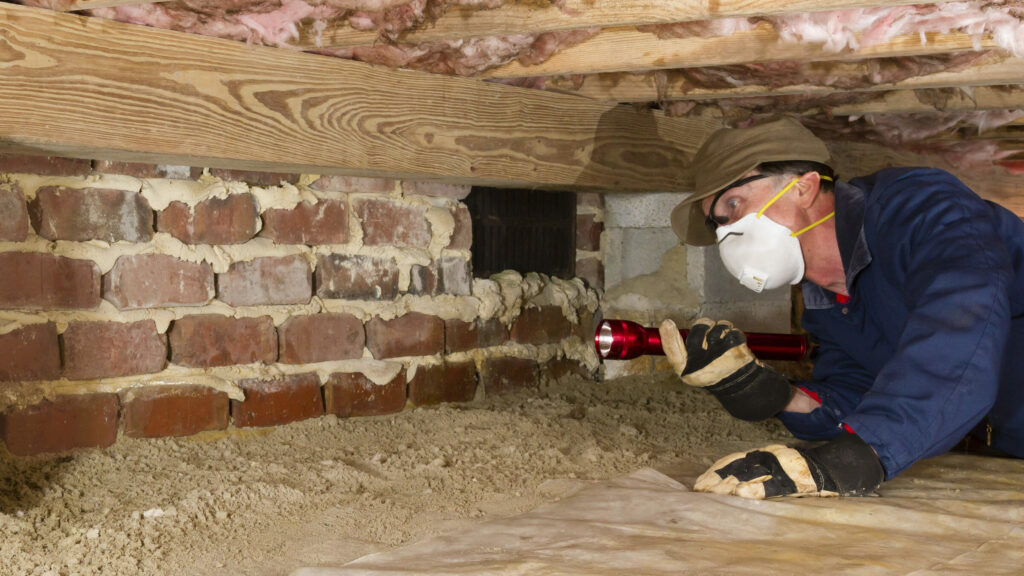
- Musty or sour smells in the rooms above, especially in humid weather.
- Insulation hanging down or lying on the ground, often wet or torn.
- Droppings, nests or chewed materials, classic red flags of a pest infestation.
- Dark staining or fuzzy growth on joists and the subfloor.
- Puddles, mud or a water line on the foundation walls.
- Cold, damp floors or rising energy bills.
If you find active pests, bring in a pest control company before the cleanup. There’s no point cleaning a space that’s still occupied. Pest infestations and mold both call for special cleaning protocols and safety gear.
DIY or hire a pro?
A light cleanout is a reasonable DIY job if the space is dry and you have decent clearance. Wear a respirator, gloves, eye protection and old clothes, and bring a headlamp and a shop vacuum. You can also lay a basic vapor barrier yourself.
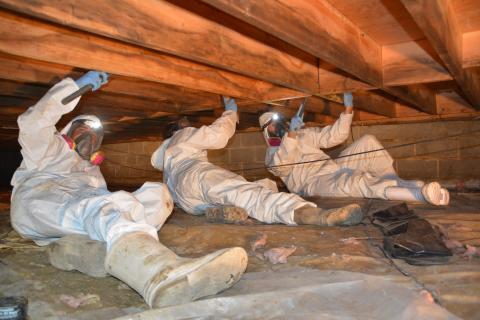
Hire a professional for mold, sewage, rodent waste or large amounts of old insulation. Mouse droppings can carry hantavirus, and dry sweeping them puts particles in the air you breathe. Professionals wet down and disinfect droppings, contain the work area and dispose of contaminated material properly, and they can apply pest control measures at the same visit.
Cleaning vs. encapsulation
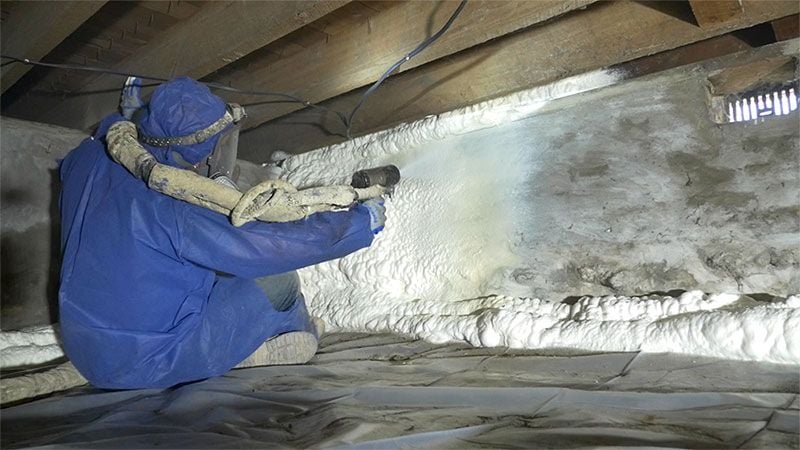
Cleaning removes what’s already there. Crawl space encapsulation keeps it from coming back by lining the floor and walls with a heavy vapor barrier, sealing the vents and controlling humidity with a dehumidifier. If your crawl space keeps getting damp, moldy or infested, a cleanup followed by encapsulation usually costs less over time than repeated cleanups.
How to get a fair quote
- Get an in-person inspection. Ask for photos of what they found so you can see the problems yourself.
- Collect at least three itemized bids. Each service, from cleanout to insulation, mold and barrier, should be priced separately.
- Ask what caused the problem. A good contractor explains where the moisture or pests are coming from, not just how to clean up after them.
- Check licensing, insurance and warranties. Mold and pest work may require specific licenses in your state.
- Watch for red flags. Be cautious of large upfront payments, quotes far below the others, or advice to add more foundation vents, which usually lets in more humid air.
After the cleanup, an annual inspection or maintenance plan helps prevent future infestations and catches moisture problems early.
Related guides
- Crawl space encapsulation cost
- Mold remediation cost calculator
- Foundation repair cost calculator
- Basement waterproofing cost calculator
- How moisture invites pests
Frequently asked questions
How much does it cost to clean a 1,000 sq ft crawl space?
A light cleanout of a 1,000 sq ft crawl space typically costs $500–$1,000. Adding old insulation removal and rodent cleanup brings it to roughly $5,000–$6,000, and heavy jobs with mold and standing water can pass $10,000.
How often should a crawl space be cleaned?
Inspect it once or twice a year. A dry, sealed crawl space may only need a cleanout every few years. Spaces with recurring moisture or pests need attention more often until the underlying cause is fixed.
Is it safe to clean my own crawl space?
Light debris removal is generally safe with a respirator, gloves and eye protection. Leave mold, sewage and rodent waste to professionals. Rodent droppings can carry hantavirus, and disturbing mold or contaminated insulation releases particles you shouldn’t breathe.
Does homeowners insurance cover crawl space cleanup?
Only when a covered, sudden event caused the damage, such as a burst pipe. Gradual moisture, mold and pest damage are usually excluded.
Should I add a vapor barrier after cleaning?
Usually, yes. Bare dirt releases moisture into the crawl space. A 12-mil or heavier vapor barrier costs about $1–$2.50 per sq ft and is one of the cheapest ways to keep a freshly cleaned crawl space dry.
Pingback: Crawl Space Encapsulation Cost Calculator (2026)
Pingback: How to Protect Your Basement From Long-Term Pest Damage - Basement Calculator
Pingback: Mold Remediation Cost Calculator (2026)