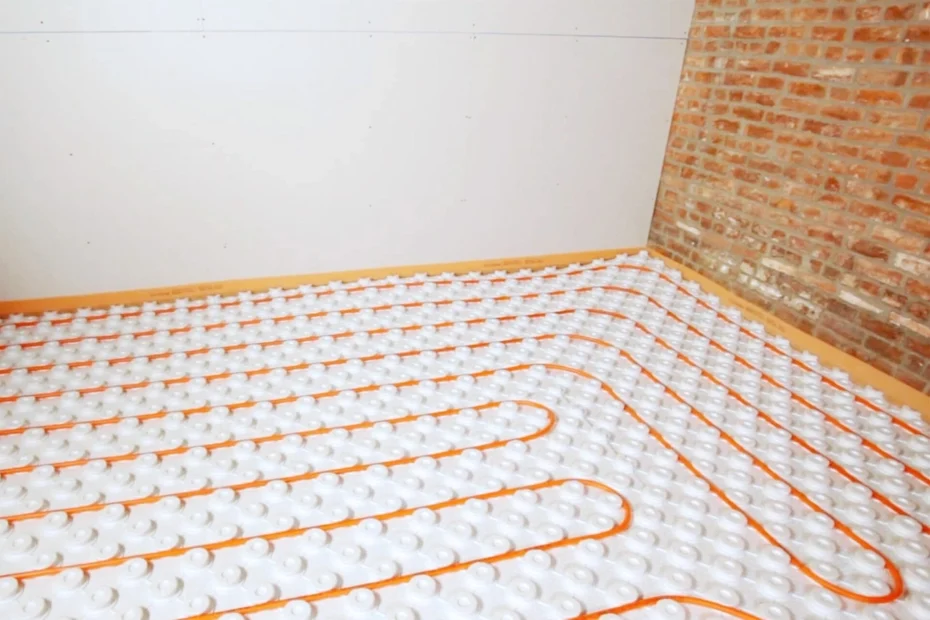
My research into heated floor costs revealed surprisingly wide price differences. Contractor quotes put installation between $6 and $20 per square foot, and the heating products alone ranged from about $1.10 to $20 per square foot depending on the system.
Heating a whole house is a different league. For a 2,400-square-foot home like mine, a hydronic system would run roughly $14,000 to $48,000. That’s why most homeowners heat specific rooms instead. The heating materials for a small 50-square-foot bathroom can cost as little as $265, and about $590 to $833 for a 120-square-foot primary bathroom, before labor, the thermostat and the electrician. My own project came with some mistakes that got pricey, and I wish someone had warned me earlier.
Here’s what it really cost and how to avoid the mistakes I made.
Want numbers for your own project? Our heated floor cost calculator prices electric and hydronic systems for your room size and shows what each costs to run.
Understanding Heated Floors Before Installation
Researching heated floors helped me understand what I was getting into. The idea goes back to ancient Rome, where heat from fires traveled through channels beneath stone floors.
What is radiant floor heating?
Radiant floor heating warms a room from the ground up instead of blowing hot air through vents. The floor itself heats up and radiates warmth to the people and objects in the room, which gives even temperatures without cold spots. It’s usually more efficient than baseboard heat and often outperforms forced air because it eliminates duct losses. People with allergies often prefer it, since it doesn’t stir up dust the way forced air does.
Electric vs. hydronic systems
There are two main types of radiant floor heating:
Electric systems use heating cables or mats under the floor that warm up through electrical resistance. They’re easier to install and work well in smaller areas and remodels. They heat up fast, usually in 30 to 60 minutes, which makes them a natural fit for bathrooms and kitchens. They cost less to install but more to run, because they use electricity.
Hydronic systems circulate hot water through plastic tubing under the floor. Installation is more complex, but they cost much less to run over large areas and can be the main heat for an entire home. They can use gas or oil boilers, wood-fired boilers, solar water heaters or combinations of heat sources.
Where heated floors work best
These rooms benefit most from radiant floor heating:
- Bathrooms: no more cold-tile shock, and floors dry faster.
- Kitchens: comfortable warmth where cabinets leave no room for vents or radiators.
- Bedrooms: silent, steady heat without blowing dust.
- Basements: a great fix for cold concrete floors.
- Home offices: steady comfort for long workdays.
Radiant heat works especially well under tile and stone, which conduct and hold heat. It also works under vinyl, engineered wood and some low-pile carpets.
True Costs of Heated Floor Installation
I tracked every dollar I spent on my heated floor project. The price ranges caught me off guard, so here’s the full breakdown to help you plan.
Heated floor cost per square foot
Installed radiant floor heating typically costs $6 to $20 per square foot, though basic electric products start at around $1.10 per square foot before labor. My installation came to about $12 per square foot, including materials and labor. Larger areas generally cost less per square foot, because fixed costs like the thermostat and electrical work are spread out. To price your own space, try the heated floor cost calculator.
Cost by system type: electric, hydronic, solar, geothermal
Here’s what the different systems cost, with whole-house figures for a home around 2,400 square feet:
- Electric: $8–$15 per square foot, or $19,000–$36,000 for a whole house
- Hydronic: $6–$20 per square foot, or $14,000–$48,000 for a whole house
- Solar-heated hydronic: $18–$25 per square foot, with system setup around $8,000–$19,500
- Geothermal: $7–$17 per square foot, plus $15,000–$35,000 for the heat pump
- Propane-fired hydronic: $6–$18 per square foot, plus about $2,600 for a water heater
Flooring material’s effect on cost
My choice of flooring affected the final cost a lot. Ceramic tile, which I picked, runs $2–$20 per square foot and transfers heat very well. Heated concrete floors, including the heating system, cost around $15–$30 per square foot, and heated engineered wood or laminate installations run about $15–$20. Vinyl is usually the least expensive covering.
Labor and permit expenses
Labor took a big bite of my budget. Professional installation runs about $4–$10 per square foot. Electricians charge roughly $50–$130 an hour and plumbers $45–$150 an hour. My permit cost $75–$180 depending on the scope. Removing old flooring can add $60–$120 an hour, plus $100–$600 for disposal.
Ongoing operating costs
Running costs tell the real story over time. An electric floor costs roughly $0.15–$0.35 per hour while it’s heating, depending on its size and your electric rate. With a programmable thermostat running it mornings and evenings, my 100-square-foot bathroom floor adds about $14 a month to my winter electric bill. Hydronic systems cost much less per square foot to run, often $0.50–$3.00 a day even when heating large areas, which is why they’re the better choice for whole floors.
Mistakes I Made During Installation
My heated floor installation turned into quite a learning experience. I made several mistakes that got pricey and caused unnecessary stress. Better planning would have saved me these headaches.
Underestimating total project cost
I budgeted for the heating mats and thermostat and forgot almost everything else. Labor came in at the top of the $4–$10 per square foot range because of tricky room shapes, and I needed a new electrical circuit. The permit and the cost of tearing out the old floor caught me off guard too. Build your budget around the installed cost, not the price of the heating product.
Choosing the wrong system for my space
After the bathroom turned out so well, I extended electric heating mats into the adjoining living area. That was a mistake. Electric systems shine in small rooms like bathrooms, but over larger areas they get expensive to run, and hydronic would have been the better long-term value there. I also learned that some flooring needs a specific type of heating product and underlayment, after I had already bought parts that weren’t compatible.
Skipping proper subfloor prep
I rushed the subfloor prep and didn’t make sure it was level. Now the floor has noticeable warm and cool spots. An uneven surface can also crack tile and reduce heating efficiency. Proper insulation under the heating element matters too, because it keeps heat from escaping downward, especially over concrete.
Not accounting for floor height changes
The system and new tile raised my floor about half an inch, which caused problems at doorways and transitions to other rooms. Trimming doors and adding transition strips cost extra. Electric systems usually add 1/8 to 1/2 inch, depending on the underlayment, and hydronic systems add more.
Hiring the wrong contractor
My first contractor barely knew radiant heating. A good installation usually takes an installer who specializes in floor heating plus a licensed electrician. I should have checked the manufacturer’s certified-installer list and read reviews on Angi or Porch before hiring anyone. DIY is possible for electric mats, but mistakes under tile are expensive to fix later.
What I’d Do Differently Next Time
My heated floor project taught me some tough lessons. Here’s what I’ll do differently next time.
Get multiple quotes and compare
I’ll get at least three estimates from different contractors, since prices can differ by as much as $10 per square foot between installers. I’ll also compare warranties carefully. Many electric heating mats carry 20- to 25-year or lifetime warranties, and hydronic tubing is often warrantied for 25 years or more.
Use zoning for better efficiency
Dividing the house into separate heating zones, each with its own thermostat, lets you heat only the rooms you’re using. For larger systems, zoning can meaningfully cut operating costs compared to heating everything at once, especially when rooms are used at different times of day.
Invest in a smart thermostat
A programmable thermostat designed for radiant floors, with a floor-temperature sensor, is essential. They cost about $100–$300 and can trim energy use by running the floor only when you need it. Many can be controlled from your phone and track usage over time.
Plan for future maintenance access
Easy access to the system’s components makes a huge difference later. That’s especially true for hydronic systems, where access panels near the manifolds make service much easier.
Conclusion
My heated floor installation was more complex than I expected. Warm floors feel amazing, but costs range widely, from about $6 to $20 per square foot, depending on the system, the flooring and labor. Most homeowners are smart to heat specific rooms rather than the whole house, which keeps the cost manageable.
Looking back, more research up front would have saved me money and headaches. The right system makes a huge difference in both installation and running costs: electric for small spaces like bathrooms, hydronic for larger areas. Careful subfloor prep is essential for even heat and a long-lasting floor.
Hiring a contractor with real radiant-heat experience is worth every penny. I learned that the hard way, when fixing a poor installation cost more than doing it right the first time. Getting multiple quotes would have shown me the differences in both price and expertise.
Zoning and a good programmable thermostat keep monthly costs in check by heating floors only when and where you need them.
Even with my mistakes, heated floors are one of my favorite home improvements. The comfort on cold winter mornings alone makes it worth it. With good planning, a realistic budget and qualified pros, your radiant heating will deliver the comfort and efficiency you expect. Start by pricing your project with our heated floor cost calculator.
Pingback: Smart Basement Heating Options That Save Energy