Choosing the right basement flooring is critical because moisture, temperature swings, and potential flooding make basements unique environments. In 2026, the best flooring options combine waterproofing, durability, and style—with luxury vinyl plank (LVP) leading as the top overall choice at $3-$7/sq ft installed. We’ve compared 12 options to help you make the smartest investment. Use BasementCalculator.com to estimate your total project costs accurately.
Why Basement Flooring Is Different
Basements sit below grade, meaning they’re surrounded by soil that constantly pushes moisture through concrete slabs. Even “dry” basements have 40-60% humidity, and 20% experience occasional water intrusion. Standard flooring like solid hardwood or carpet fails quickly in these conditions.
Key requirements for basement flooring:
100% waterproof or highly water-resistant
Dimensional stability (won’t expand/contract with humidity)
Mold and mildew resistance
Comfortable underfoot (basements are cooler)
Easy to clean and maintain
Top 8 Basement Flooring Options for 2026
1. Luxury Vinyl Plank (LVP) – Best Overall
Cost: $3–$7/sq ft installed
Waterproof: Yes, 100%
Durability: 15-25 years
DIY-Friendly: Yes, click-lock installation
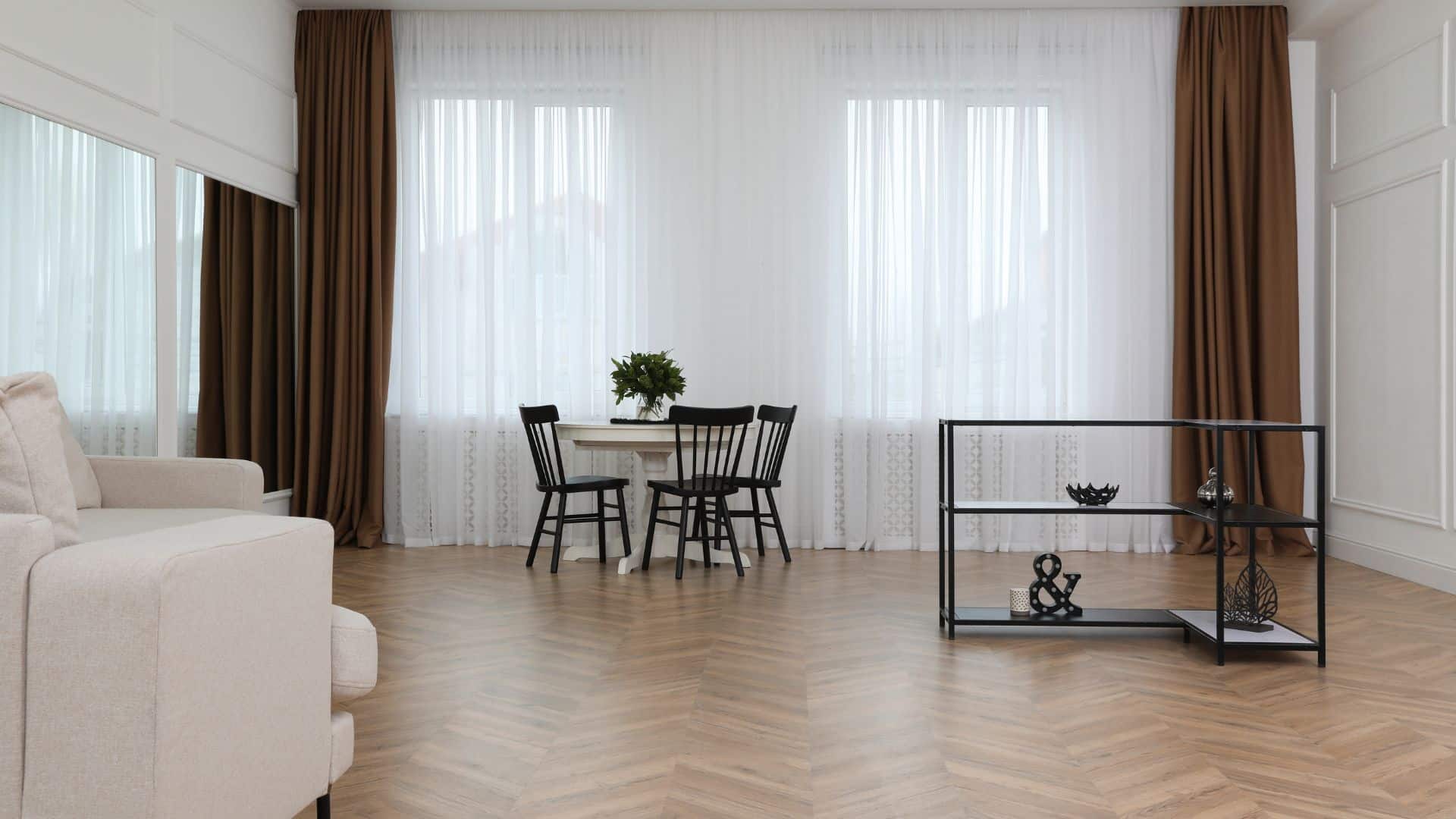
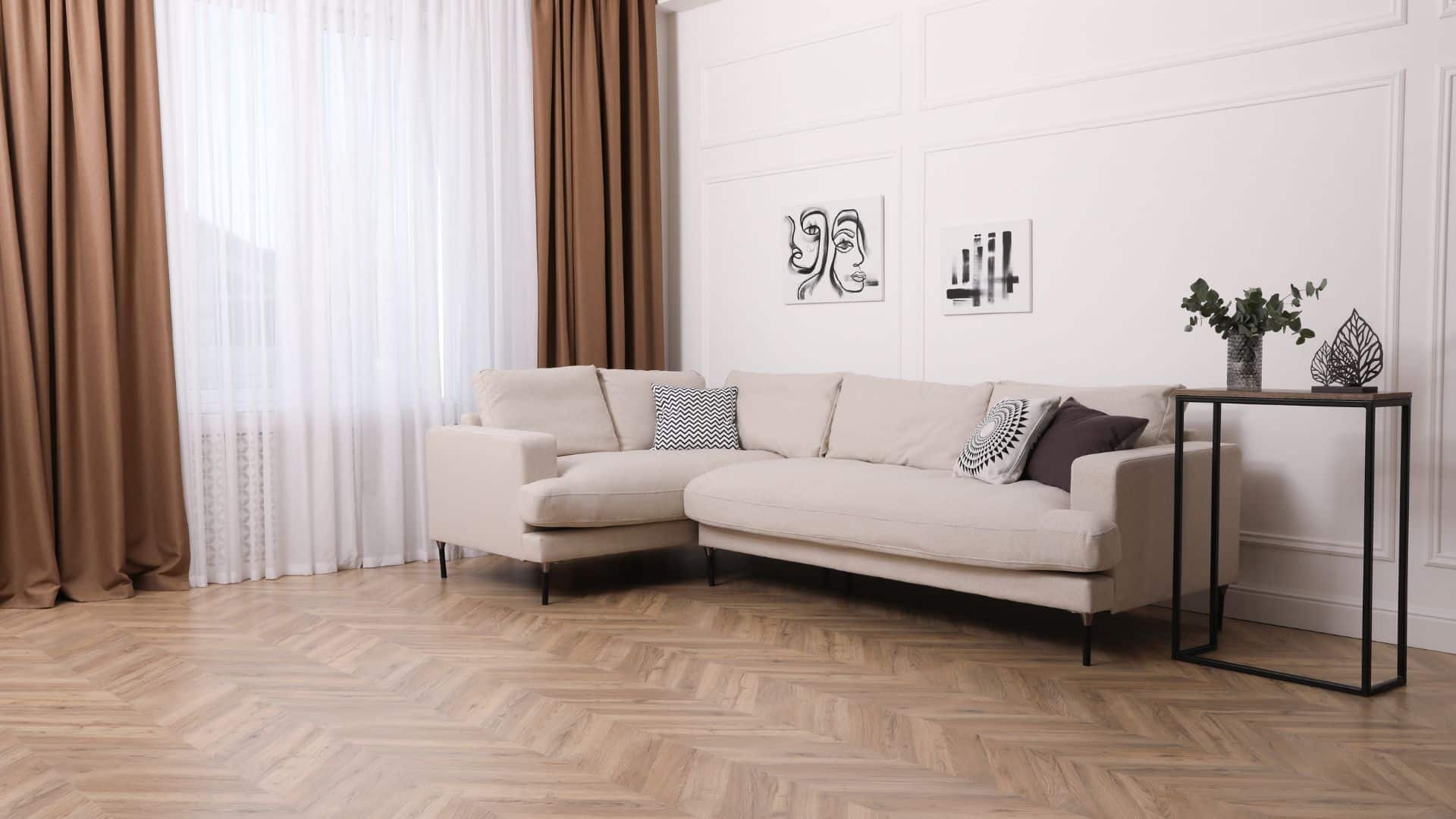
LVP dominates 2026 basement flooring for good reason. It’s completely waterproof, looks like real wood, and installs easily as a floating floor. Stone Plastic Composite (SPC) core LVP is the most rigid and stable—ideal for basements.
Pros:
Affordable and widely available
Warm underfoot compared to tile
Huge style selection (wood, stone looks)
Can be installed over radiant heat
Cons:
Can dent under heavy furniture
Lower-end options may look plastic-like
Best for: Most basements, especially moisture-prone areas
2. Porcelain Tile – Best for Durability
Cost: $8–$15/sq ft installed
Waterproof: Yes, 100%
Durability: 50+ years (lifetime)
DIY-Friendly: Moderate, requires skill
Porcelain is the only true “forever floor” for basements. It’s impervious to water, won’t scratch or dent, and works with radiant heating. Large-format tiles (24×24 or larger) create modern, seamless looks.
Pros:
Zero water damage, ever
Adds home value
Works with in-floor heating
Easy to clean
Cons:
Cold and hard underfoot (use rugs)
Expensive installation
Grout requires sealing
Best for: High-moisture areas, wet bars, bathrooms
3. Water-Resistant Laminate – Best Budget Option
Cost: $2.50–$5/sq ft installed
Waterproof: No, but highly water-resistant
Durability: 10-15 years
DIY-Friendly: Yes
Modern laminate has improved dramatically. Water-resistant cores (like Aquaguard) handle minor spills and humidity, though not flooding.
Pros:
Very affordable
Realistic wood visuals
Easy DIY installation
Cons:
Not waterproof—damaged by standing water
Can swell if water sits
Best for: Dry basements with low flood risk
4. Engineered Hardwood – Best Wood Look
Cost: $6–$12/sq ft installed
Waterproof: No, moisture-resistant
Durability: 20-30 years
DIY-Friendly: Moderate
Engineered hardwood has a real wood veneer over plywood layers, making it more stable than solid wood. It can handle basement humidity if moisture is controlled.
Pros:
Real wood appearance and feel
Adds significant home value
Can be refinished 1-2 times
Cons:
Expensive
Not waterproof—needs a dehumidifier
Requires professional installation
Best for: Climate-controlled, low-moisture basements
5. Epoxy Coating – Best for Utility Spaces
Cost: $3–$8/sq ft installed
Waterproof: Yes, when sealed
Durability: 10-20 years
DIY-Friendly: Yes, kits available
Epoxy transforms concrete into a seamless, chemical-resistant surface. It’s ideal for workshops, gyms, or storage areas.
Pros:
Extremely durable
Easy to clean (mop only)
Customizable colors and patterns
Cons:
Industrial look (not cozy)
Can be slippery when wet
Requires proper concrete prep
Best for: Garages, workshops, utility rooms
6. Rubber Flooring – Best for Home Gyms
Cost: $4–$10/sq ft installed
Waterproof: Yes
Durability: 20-30 years
DIY-Friendly: Yes, interlocking tiles
Rubber is shock-absorbent, waterproof, and comfortable for workouts. Tiles install easily and can be replaced individually if damaged.
Pros:
Excellent for heavy equipment
Reduces noise
Warm and comfortable
Cons:
Limited aesthetic appeal
Can smell initially
Best for: Home gyms, playrooms
7. Carpet Tiles – Best for Comfort
Cost: $2–$5/sq ft installed
Waterproof: No, but moisture-resistant options exist
Durability: 10-15 years
DIY-Friendly: Yes
Carpet tiles offer warmth and sound absorption. If one tile gets wet or stained, you can replace just that tile—not the whole floor.
Pros:
Warm and comfortable
Easy DIY installation
Replaceable tiles
Cons:
Not waterproof
Can trap allergens
Best for: Home theaters, bedrooms, playrooms
8. Polished Concrete – Best Modern Industrial
Cost: $5–$12/sq ft installed
Waterproof: Yes (sealed)
Durability: 50+ years
DIY-Friendly: No, professional only
Polished concrete is the existing slab, ground smooth and sealed. It’s ultra-modern and pairs well with radiant heating.
Pros:
Uses existing slab (no new material)
Extremely durable
Works with radiant heat
Cons:
Cold and hard
Industrial aesthetic
Cracks can develop
Best for: Modern lofts, entertainment spaces
Moisture Testing Before You Install
Never skip this step. Use BasementCalculator.com’s moisture assessment checklist:
Plastic sheet test: Tape 2×2 ft plastic to floor for 24 hours. Condensation underneath = moisture problem.
Humidity check: Use a hygrometer. Consistently above 60% = need a dehumidifier.
Visual inspection: Look for efflorescence (white powder), water stains, or mold.
Sump pump check: If you have one, ensure it’s working properly.
If moisture is present, install a vapor barrier or address waterproofing before flooring.
Installation Tips for Longevity
Acclimate flooring: Let materials sit in the basement 48-72 hours before installation.
Use vapor barriers: 6-mil polyethylene underlayment prevents moisture from reaching flooring.
Leave expansion gaps: 1/4 inch around perimeter allows for seasonal movement.


Pingback: Heated Floor Cost Calculator (2026): Electric vs. Hydronic
Pingback: Essential Basement Finishing Checklist 2026