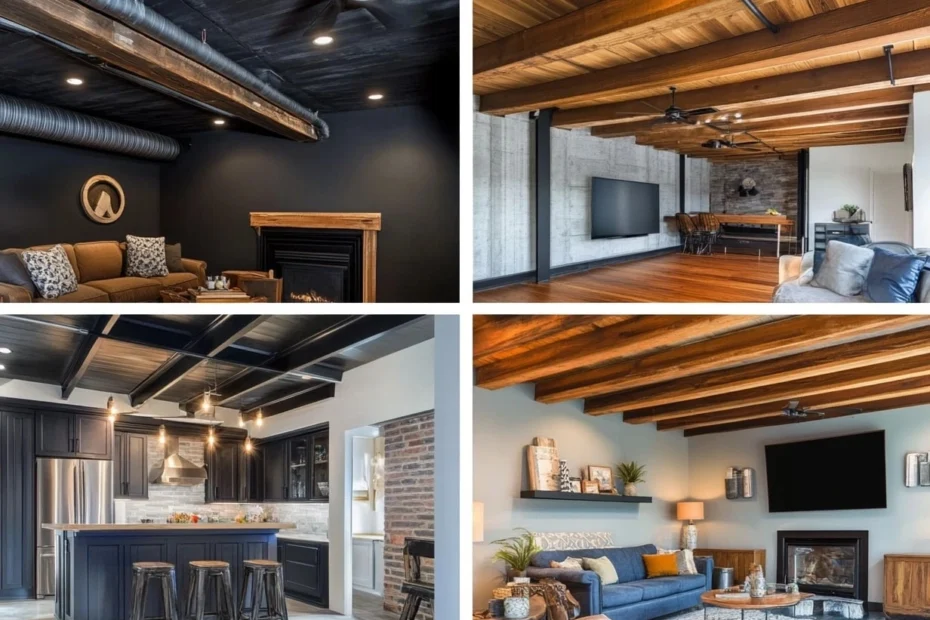
The right basement ceiling type makes the most important difference in your lower level’s feel and function. A basement ceiling does more than cover overhead pipes and ductwork – it defines the room’s entire character. Drop ceilings remain a popular choice because homeowners can remove individual tiles to repair or upgrade, with installed costs of about $5 to $13 per square foot. However, they might not work best for every space.
Several factors should guide your choice to find the best ceiling for basement areas. The right basement ceiling design transforms unfinished spaces into functional rooms that become natural extensions of your home. Available basement ceiling options range from cost-effective solutions like painted joists and simple drywall ($2-$4 per square foot installed) to premium alternatives such as stretch ceilings. These stretch ceilings use a lightweight, flexible membrane that creates a perfectly smooth surface ($6-$15 per square foot). In this piece, you’ll discover why drop ceilings might not be your ideal choice and what alternatives could better match your needs, budget, and priorities.
Why Drop Ceilings Aren’t Always Ideal
Drop ceilings have been popular in basement renovations for decades. You should think about some drawbacks before you install one. Let’s get into why these suspended systems might not be your best ceiling option.
They reduce the ceiling height
Drop ceilings take away valuable vertical space. Most basements already have limited headroom, and a drop ceiling system usually takes up 3-5 inches of ceiling height. Anyone over six feet tall might find the difference between a comfortable space and a cramped one. Your basement’s exposed pipes or ductwork below the joists will force you to install drop ceilings even lower.
They can look outdated or commercial
Design improvements haven’t changed much. Drop ceilings still have that institutional look that reminds you of office buildings or schools instead of cozy living spaces. The grid pattern and standard white tiles create a clinical, impersonal feel that goes against the warm, inviting atmosphere most homeowners want in their basement ceiling design. Even decorative tiles can look dated compared to modern ceiling options.
They may not suit all basement styles
A drop ceiling might work against your design vision if you want a contemporary, industrial, or rustic look in your basement. These systems clash especially when you have open-concept designs or spaces with intentionally exposed architectural elements. On top of that, it’s hard to add character to your basement when drop ceilings’ uniformity fights against your overall design scheme.
They require regular tile maintenance
Drop ceiling tiles develop issues over time. The porous material soaks up moisture and leads to water stains, mold, and discoloration. Tiles sag, break, and collect dust in spots you can barely reach. You can replace individual tiles, but finding exact matches for older systems gets harder. This often results in a patchwork look that seems unprofessional.
You might want to learn about other types of basement ceilings. These alternatives could better match your space’s height needs, design priorities, and long-term maintenance concerns.
Key Factors to Consider Before Choosing a Basement Ceiling
Your basement ceiling needs to balance both practical requirements and personal priorities. Let’s review the key factors that will affect how happy you’ll be with your final choice.
Ceiling height and headroom
The height of your basement ceiling substantially affects how roomy your lower level feels. The International Residential Code usually requires a minimum ceiling height of 7 feet for livable spaces. Areas with beams or ducts should stay above 6 feet 4 inches to ensure safe movement. Drop ceilings need 4-6 inches of clearance, which can make low basements feel more cramped. A drywall ceiling instead of drop panels can give you 3 extra inches of height – this makes a big difference in smaller spaces.
Access to plumbing and wiring
Your basement contains vital utilities that need occasional maintenance. Drop ceilings let you simply remove a tile for repairs without any demolition. Drywall ceilings don’t give you easy access to pipes and wiring, which makes future repairs trickier. If you choose drywall, you’ll need to plan access panels carefully for plumbing cleanouts, electrical junction boxes, and shut-off valves. The age of your mechanical systems matters too – older plumbing or electrical systems near replacement might do better with more available ceiling designs.
Moisture and humidity resistance
Basements tend to get damp, so your ceiling material must handle humidity well. PVC, metal, or treated wood options work best in moisture-prone areas because they resist water damage. Moisture-resistant ceiling tiles maintain their shape even in humid conditions. Standard drywall can become a mold hazard if it gets wet repeatedly.
Soundproofing needs
The right ceiling design can cut down noise between floors dramatically. Fiberglass or mineral wool insulation in joist cavities reduces sound transfer substantially. You might want to think about a detailed solution with multiple drywall layers, Green Glue, and isolation clips for the best sound control.
Budget and long-term value
The original costs matter, but don’t forget about ongoing maintenance expenses. Drywall materials cost less than premium ceiling tiles, though they need more work to install. Installation times vary too – crews can install a 1,000 sq. ft. drop ceiling in one day, while a drywall ceiling usually takes about a week.
Types of Basement Ceilings to Consider Instead
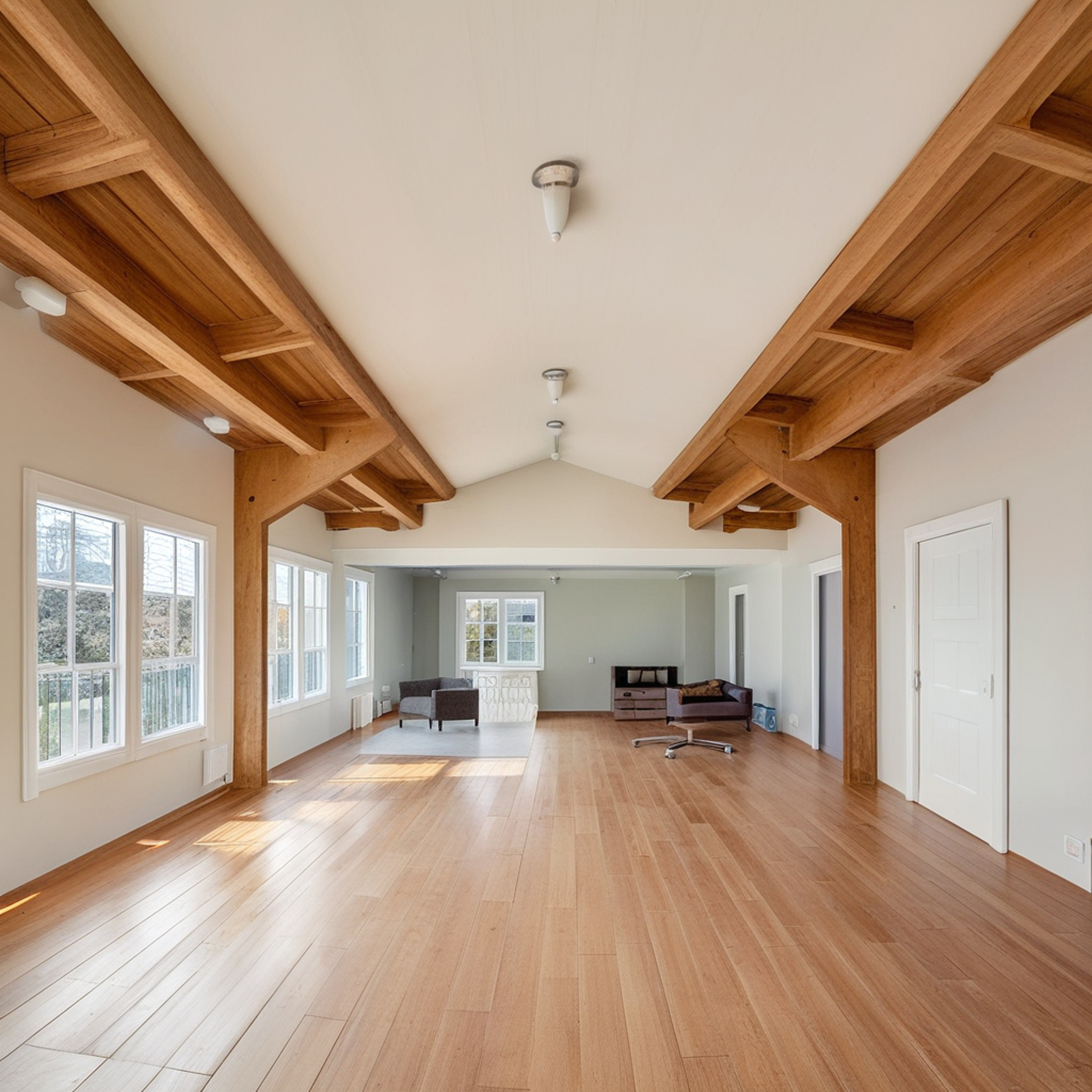
Your basement ceiling can look amazing with many options beyond the standard drop ceiling. Each style brings its own charm and addresses height concerns while matching your design priorities.
Drywall ceilings
Drywall gives you a clean, seamless look that matches your home’s upper floors. This smooth finish works great with modern or minimalist designs and hides pipes and ducts perfectly. Basements often deal with moisture, so moisture-resistant drywall helps prevent mold from growing.
Exposed joists or beams
Open ceiling joists create an industrial look that gives you more headroom. You can work with what’s already there to get a unique style and better airflow. Most people paint their exposed structural elements in black, white, or natural wood shades to create a loft-like feel.
Wood planks and beadboard
Wood planks make basement ceilings feel warm and inviting. You can pick tongue-and-groove boards, beadboard panels, or prefinished composite planking. Beadboard goes up in 4×8 sheets right onto the ceiling joists. Materials cost about $120. This look fits perfectly in cottage, farmhouse, or coastal-themed basements.
Painted ceilings (rafters, pipes, beams)
Paint can turn exposed ceiling parts into design features. One popular trick paint everything the same color to create unity and hide utilities. Bright colors bounce light around dark basements, while darker shades help mask ductwork and plumbing.
Decorative or acoustic tiles
Today’s decorative tiles come in tin, PVC, foam, and wood. These tiles catch the eye with detailed patterns, textures, and finishes. Acoustic tiles cut down on echo and noise to make rooms feel cozier.
Stretch or fabric ceilings
Stretch ceilings use flexible, eco-friendly PVC membranes in different colors and finishes. Installers mount aluminum profiles around the edges and stretch a heated membrane across them. The result is a seamless surface that works well with lighting and keeps moisture out.
Corrugated metal or tin ceilings
Corrugated metal lasts long and adds an interesting texture. It brightens basements by reflecting light. You can install it using drop-ceiling grids or mount it straight to the joists. Metal panels offer brushed, hammered, or rusted finishes to match different styles.
Box or coffered ceilings
Coffered ceilings create recessed panels that add depth and architectural interest. They make the structure stronger while looking beautiful. Shallow coffers keep things light and airy, but deeper ones make bold architectural statements.
Design and Lighting Tips for Better Basement Ceilings
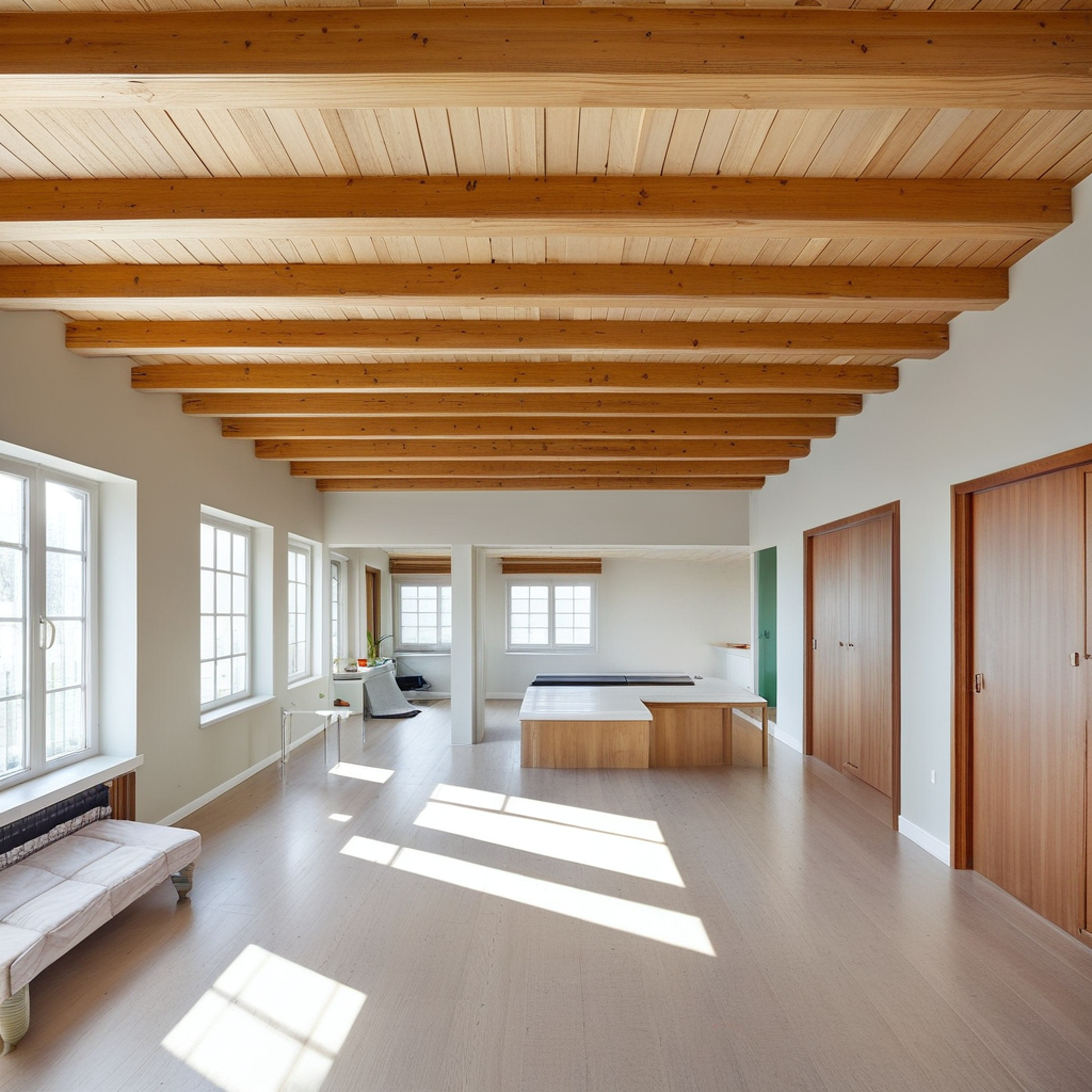
Smart lighting and design choices can change even challenging basement ceilings into attractive features. The right mix of lighting, color, and texture shapes how your space feels and works.
Use recessed lighting for low ceilings
Recessed lighting works best for basements with limited headroom. Hanging fixtures take up vertical space, while recessed lights sit flush with the ceiling and preserve precious inches in height-challenged areas. LED can lights that measure 4 inches provide enough illumination without making your ceiling look like “a runway of lights” in areas with ceilings under 7 feet. These smaller fixtures look less obtrusive yet deliver bright, effective light.
Paint ceilings white to brighten the space
White or light-colored ceilings reflect much more light and make basement spaces feel larger and more open. White walls and ceilings can reflect and magnify both natural and ambient light. A slightly off-white with gray undertones hides imperfections better than pure white on unfinished ceilings.
Match the ceiling style with the basement function
Your basement’s purpose should guide ceiling treatment selection. Entertainment spaces need sound-absorbing materials, while home offices require even, bright lighting. Tray ceilings help create visual separation between zones in multi-purpose basements.
Add texture or color for visual interest
Simple drywall isn’t your only option – texture adds dimension. Wood planks create warmth, and high-gloss paint helps bounce light around dark spaces. Dark ceilings can look better when you paint everything—joists, pipes, and ducts—the same color that enhances height.
Conclusion
The right basement ceiling strikes a balance between practical needs and your personal style priorities. Drop ceilings used to be the go-to choice, but they don’t always work well because of height issues, upkeep needs, and looks. You might want to look at other options like exposed painted joists, drywall, wood planks, or stretch ceilings that could work better in your space.
Ceiling height and access needs should be your top priorities. Basements with low headroom need solutions that save vertical space. Older homes with regular plumbing maintenance might still need available ceiling areas. Moisture resistance plays a crucial role, too, especially in humid basement spaces.
Your budget matters, but think beyond just the upfront costs. Spending a bit more now could save you money and headaches later if the ceiling needs less maintenance or boosts your home’s value. The ceiling you pick also affects how comfortable and useful your basement becomes.
Note that lighting and ceiling choices work together. Recessed lights save headroom, and smart color picks can brighten dark spaces. Light-colored treatments make rooms feel bigger by reflecting more light. A strategic paint job can turn exposed elements from eyesores into attractive features.
The best ceiling for your space might not be the most common choice. Look at factors like height, utility access, moisture issues, and your style. You might find that breaking from tradition works better. Whether you like drywall’s clean look, wood planks’ rustic feel, or painted exposed joists’ industrial style, your basement ceiling should look planned rather than just practical.
Run the numbers: Compare drywall, drop and exposed ceilings in the context of your whole project with our basement finishing cost calculator, which prices every ceiling type.
Pingback: Drop Ceiling Cost Calculator (2026): Installation Cost per Sq Ft
Pingback: Basement Finishing Checklist: 12 Steps in the Right Order - Basement Calculator