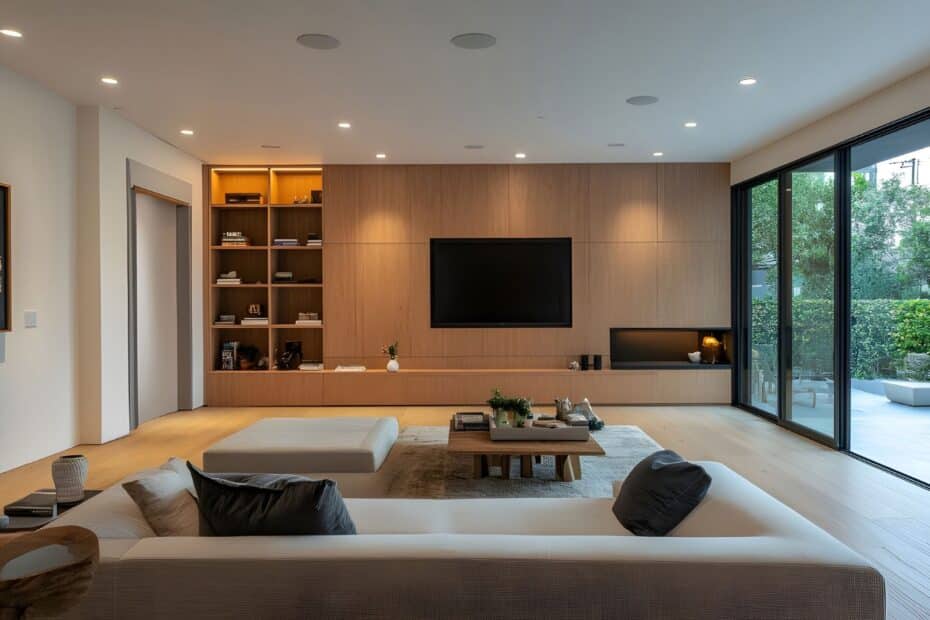
June 2026 brings stable U.S. weather nationwide for basement renovations, with dry ground easing waterproofing and framing before summer humidity spikes mold risks. BasementCalculator.com delivers instant cost estimators, material lists, and layout planners to transform unfinished spaces into high-value living areas without budget blowouts.
Over 35 million U.S. homeowners added basement space last decade, generating 70-85% ROI and boosting resale by $20,000-$45,000 on mid-range homes. Early summer starts lock-in contractors at 15-25% lower rates pre-peak demand, while avoiding spring flood delays common in northern states.
Why June Accelerates Basement Success
Consistent temperatures of 70-85°F across zones optimize concrete curing and drywall adhesion without winter freeze or monsoon interruptions. Supply chains hold post-2025 dips—lumber at $580/thousand bf, insulation steady at $1.20/sq ft.
Homeowners in 40 states benefit from new ADU (Accessory Dwelling Unit) laws that allow rentals of up to $2,500/month, turning basements into income generators. Permits process faster now; filing early sidesteps autumn backlogs. Use our basement cost calculator for $20,000-$80,000 mid-range projections tailored by region
Step 1: Assess Suitability and Moisture First
Before designs, verify viability: Basements must have a 7-foot minimum ceiling height per code; lower needs underpinning ($8,000-$20,000) or house lifting.
Scan for water red flags—damp walls, musty smells, visible mold, or pooling near the foundation. Non-negotiable: Resolve all moisture before finishing. Test with plastic sheet tape-down for 72 hours; condensation demands intervention.
Per This Old House’s waterproofing guide, interior drainage plus sump pumps handle 90% infiltration cases cost-effectively. Our moisture assessment tool flags issues early.
Step 2: Ensure Structural Integrity
Inspect foundation walls for cracks wider than 1/4 inch, bowing, or leaning—signs of soil pressure or settling. Older homes may need steel beam reinforcement ($1,500-$5,000) or epoxy crack injections ($300-$1,500).
Re-level warped floors with self-topping compounds ($2-4/sq ft). Post-inspection, reinforce load-bearing posts if adding rooms. Skip structural fixes at your own risk; consult engineers for 20% of projects.
Step 3: Plan Legal Egress and Safety Codes
Basement bedrooms or living spaces mandate egress windows: 5.7 sq ft minimum, 24-inch opening height, outside access via stairs. Cutting foundations costs $3,000-$8,000 but adds insurance value.
Install smoke detectors interconnected upstairs; carbon monoxide alarms near fuel sources. Fire-rated doors separate utilities. Ventilation fans hit 50 CFM per 100 sq ft for air quality. Code compliance prevents fines and sale denials.
Step 4: Address Plumbing, HVAC, and Electrical Rough-Ins
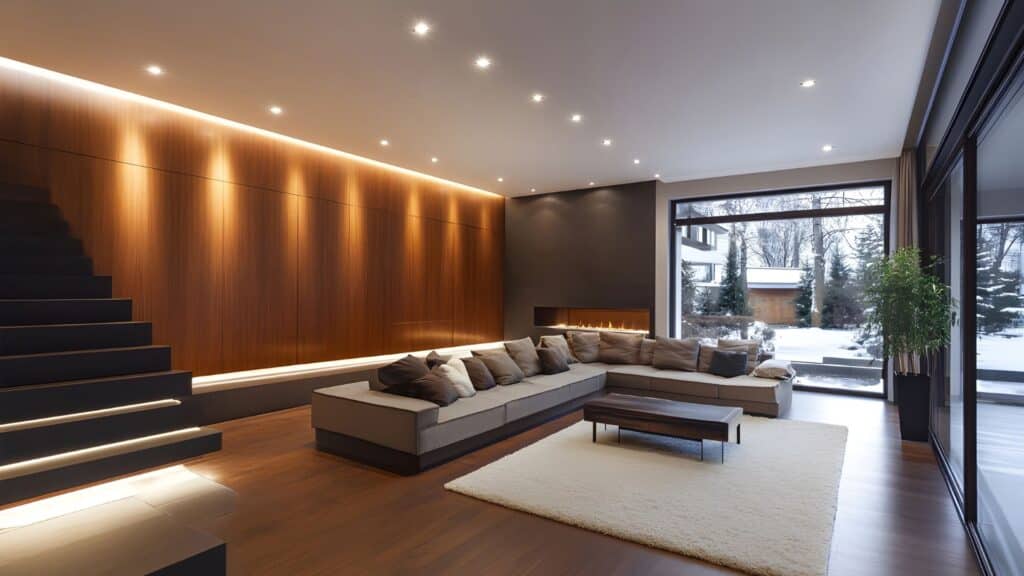
Anticipate bathrooms, wet bars, or laundry: Drainage may need ejector pumps ($500-$1,200) if gravity fails. Vent pipes above the roofline prevent gurgling.
Extend HVAC ducts with 20% extra capacity; mini-splits zoned for efficiency. Run 20-amp circuits every 6 feet; GFCI in wet zones. Ethernet pre-wire for theaters. Calculate needs for the utilities planner.
Step 5: Design Layout for Max Flow and Function
Opt for open zones: Rec room 40%, office 20%, bath 10%, storage 10%, flex 20%.800-1,500 sq ft fits 2-3 bedrooms plus living.
Moisture-resistant materials: Pressure-treated 2×4 studs against concrete; LP SmartSide panels vs drywall’s mold risk. Drop ceilings hide pipes; painted joists save $1,000. LVP flooring repels water better than carpet. Sketch layouts via the floor planner tool.
Step 6: Waterproof and Insulate Deeply
Exterior methods: Excavate 4 feet, apply membrane ($10,000-$30,000); interior: Drain tile + sump ($3,000-$10,000). Seal cracks with hydraulic cement ($10/gal).
Insulate walls with rigid foam boards (R-10) or spray foam (R-20); rock wool ceilings dampen echoes. Energy codes require a minimum of R-15; upgrades cut bills by 25%. Soundproof party walls for media rooms.
Step 7: Frame, Hang Drywall, and Finish Surfaces
Frame 16-inch on-center with acoustical clips; install rough-ins before walls rise—inspections mandatory pre-drywall.
Moisture-resistant drywall (green board) in baths; standard elsewhere. Paint mold-inhibiting primer. Laminate trim absorbs less humidity. Professional installs $1.50/sq ft; DIY halves it.
Step 8: Flooring, Lighting, and Final Touches
Add closet organizers and built-ins. Bar tops $1,500; sinks $400. Landscaping drains away from the foundation.
2026 Cost Breakdown: 1,000 Sq Ft Mid-Range Finish
Labor 50-60% of total; materials trending flat.
Basic: $20K-$35K; luxury: $90K+. Northeast 20% above; South 15% below. Track regional shifts via BasementCalculator.com.
DIY vs Pro: When to Hire
Tackle demo, painting, trim solo for 25% savings; license pros for plumbing, electrical, egress—safety first. Vetted crews via the site network bid 10% lower.
Timeline: 6-11 weeks on-site, plus 4-6 design/permits. Bulk materials cut 15%.
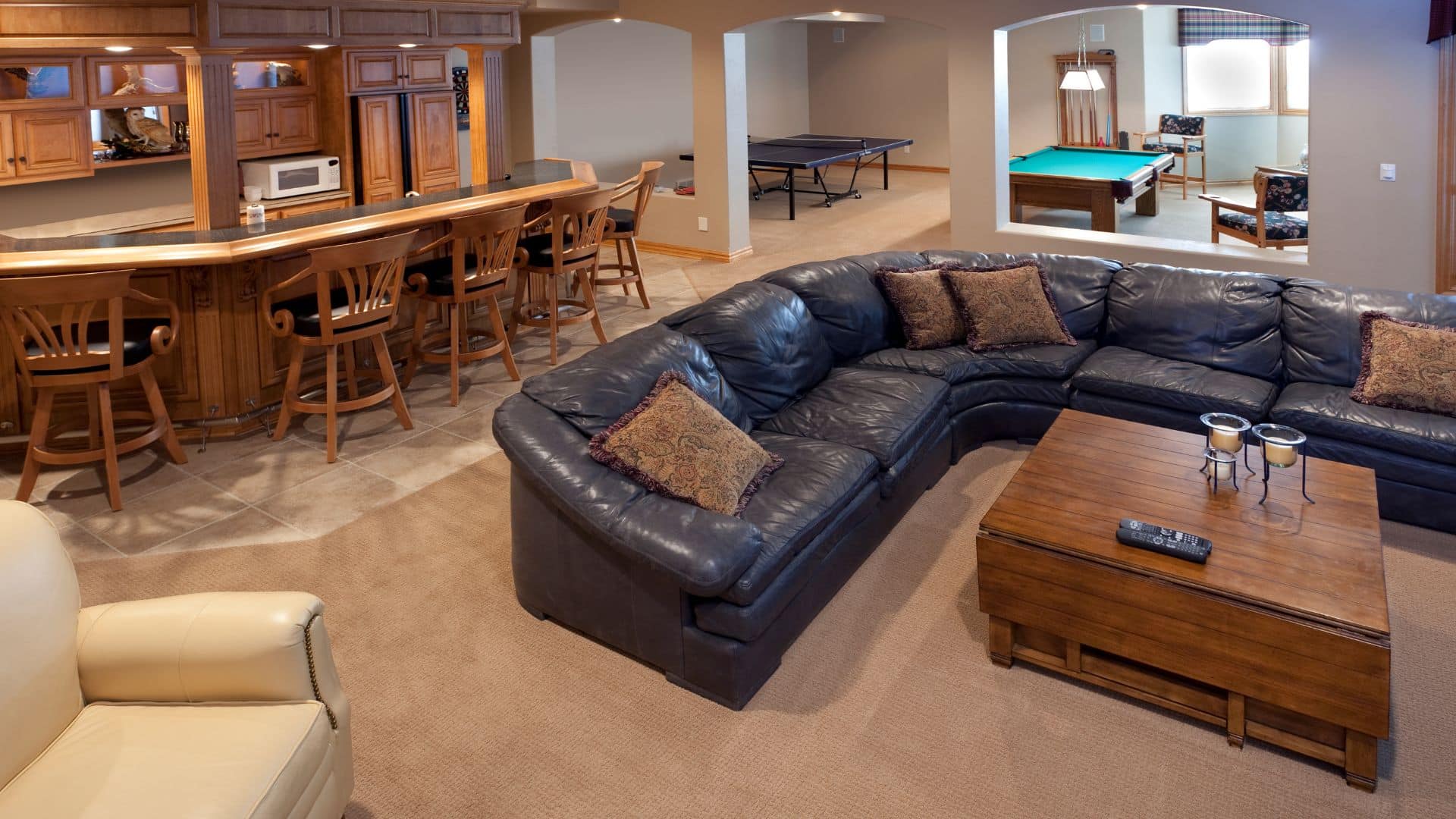
Avoid Costly Pitfalls
Skimping on waterproofing invites $10K mold remediation. Undersized HVAC chills zones. Skip egress blocks insurance claims.
Overlooked floor leveling causes door jams. Rushed drywall seams crack. Annual seal checks extend life 20 years.
Maintenance for Longevity
Dehumidify to 50% RH monthly; clear drains quarterly. Insulate pipes against freezing. Smart alerts detect leaks instantly.
Refinish floors bi-yearly; repaint 10-year cycles. Proper care yields 30-year returns.
June action delivers fall-ready income suites or rec rooms. Input specs at BasementCalculator.com, full estimator for blueprints, timelines, vendor quotes. Transform wasted space profitably—start today.