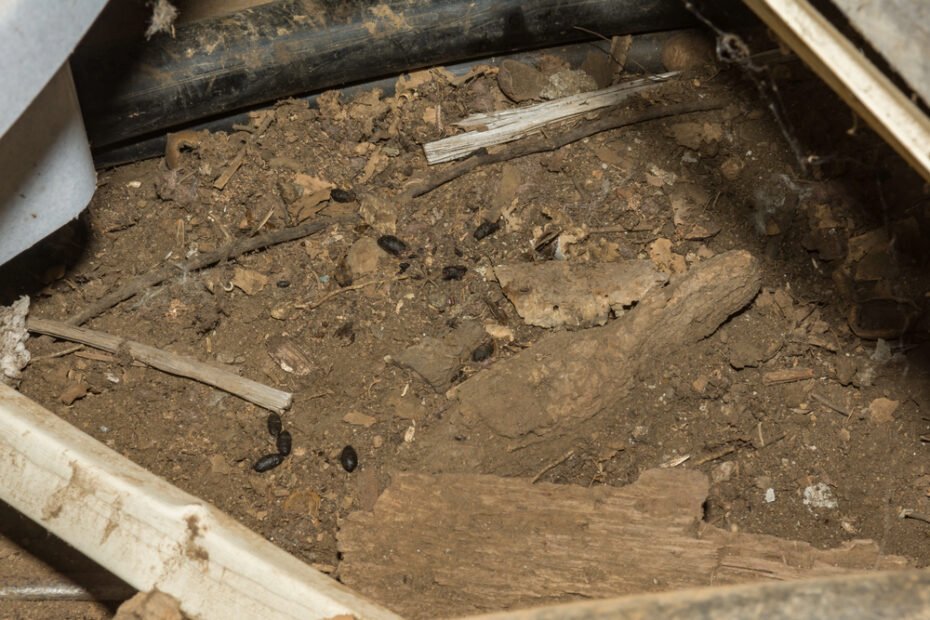
A damp basement is a problem on its own, mold risk, musty odors, damaged storage, but it is also one of the most reliable ways to invite pests into a home. Moisture is one of the three things every pest needs to survive, along with food and shelter, and a basement that stays consistently damp checks that box year round regardless of what happens upstairs. According to EcoForce Pest Management, basements and crawl spaces are consistently among the first places they check when a homeowner reports pest activity elsewhere in the house, since the basement is often where the underlying condition actually started.
Anyone planning a basement finishing project has an added reason to deal with moisture and pest risk before the drywall goes up, since both problems are far easier and cheaper to fix in an unfinished space than after it has been converted into livable square footage.
Why Basements Attract Pests in the First Place
Termites and carpenter ants are both drawn to damp wood, which makes a basement with a moisture problem a prime target for structural damage that can go unnoticed for a long time behind finished walls. Silverfish and centipedes thrive in the same humid conditions, and while they are more of a nuisance than a structural threat, their presence is usually a sign that humidity levels are higher than they should be. Rodents are drawn to basements for a different reason, shelter and a stable temperature, and a damp, cluttered basement gives them both cover and easy nesting material.
| Condition | Pest Risk | Fix |
|---|---|---|
| Standing water after rain | Mosquitoes, general moisture pests | Improve grading and drainage away from foundation |
| Condensation on pipes or walls | Silverfish, centipedes | Insulate pipes, run a dehumidifier |
| Damp wood framing | Termites, carpenter ants | Dry out the space, address the moisture source |
| Cluttered storage boxes | Rodents, cockroaches | Elevate storage, use sealed plastic bins |
| Musty odor with no visible cause | Hidden moisture pocket | Inspect behind stored items and along the sill plate |
Drying Out the Space First
Dealing with pest risk in a basement starts with the same steps used to prepare it for any kind of renovation. Testing for the source of moisture, whether it is condensation forming from the inside or water seeping in from outside, determines what kind of fix is actually needed. A dehumidifier addresses the first case reasonably well, while water intruding from outside usually points to a grading or drainage issue that needs to be corrected before anything else will hold. The EPA recommends keeping indoor humidity below 60 percent, and ideally between 30 and 50 percent, to discourage the mold growth and pest activity that tend to show up together in poorly ventilated basements.
This lines up directly with the guidance in this site’s own basement waterproofing cost calculator, which breaks down what it typically costs to address water intrusion at the source rather than just masking the symptoms with paint or a dehumidifier alone. Getting this step right protects both the pest situation and the long term investment in finishing the space.
Sealing Entry Points While the Walls Are Still Open
An unfinished basement is the easiest time to seal the gaps pests use to get in, since the framing, foundation walls, and utility penetrations are all still visible and accessible. Once drywall and finished flooring go in, the same fixes become far more disruptive and expensive. Sealing cracks in the foundation, adding proper screening to any vents, and caulking around pipe and wire penetrations before finishing the space closes off most of the entry points that would otherwise require tearing into finished walls to address later.
Making It Part of the Finishing Timeline
Moisture control and pest exclusion are not separate line items from the rest of a basement finishing project, they are groundwork that protects everything built on top of them. Skipping this step to save time rarely saves money in the long run, since correcting it after the fact usually means undoing finished work to get back to the studs. Treating it as the first phase of the project, rather than an afterthought, is what keeps a finished basement finished.
The order of operations matters here more than most people expect going in. Waterproofing and moisture control should happen before framing, framing before insulation, and any pest exclusion sealing should happen at each of those stages rather than being saved for a final walkthrough. A basement finished in that order costs a little more planning upfront but avoids the far more expensive scenario of discovering a pest or moisture problem behind a wall that was just closed up.