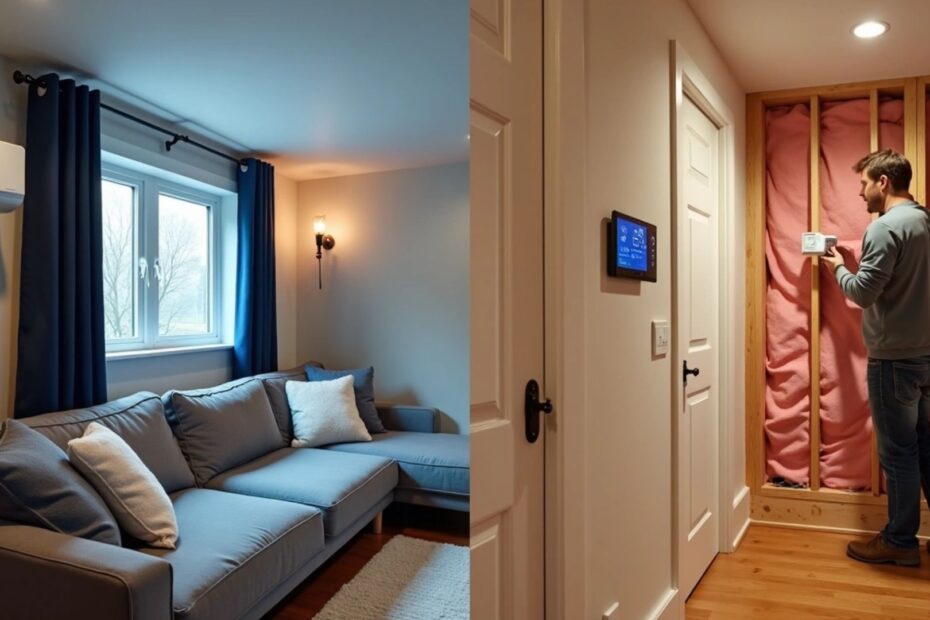
A poorly heated basement can account for up to 25% of your home’s yearly energy consumption. This startling fact caught our attention as we researched basement heating solutions for our house. The numbers made it clear – choosing the right heating approach would impact both our comfort and expenses significantly.
The good news? You’ll find many basement heating options that can reduce costs while keeping the space cozy. Ductless systems provide steady, affordable heat throughout the year. Your basement’s walls, once properly insulated, help maintain consistent temperatures year-round. We found that effective basement heating fits most budgets. Pellet stoves, as an example, cost less to install than many other heating methods.
This piece covers the best ways to heat your basement and reduce energy bills. You’ll learn about everything from portable heaters to permanent systems, plus the most budget-friendly way to heat your space without giving up comfort. These smart heating strategies will reshape how you use your downstairs area, whether you’re finishing your basement or making your current space more energy-efficient.
Electric and Portable Heating Options
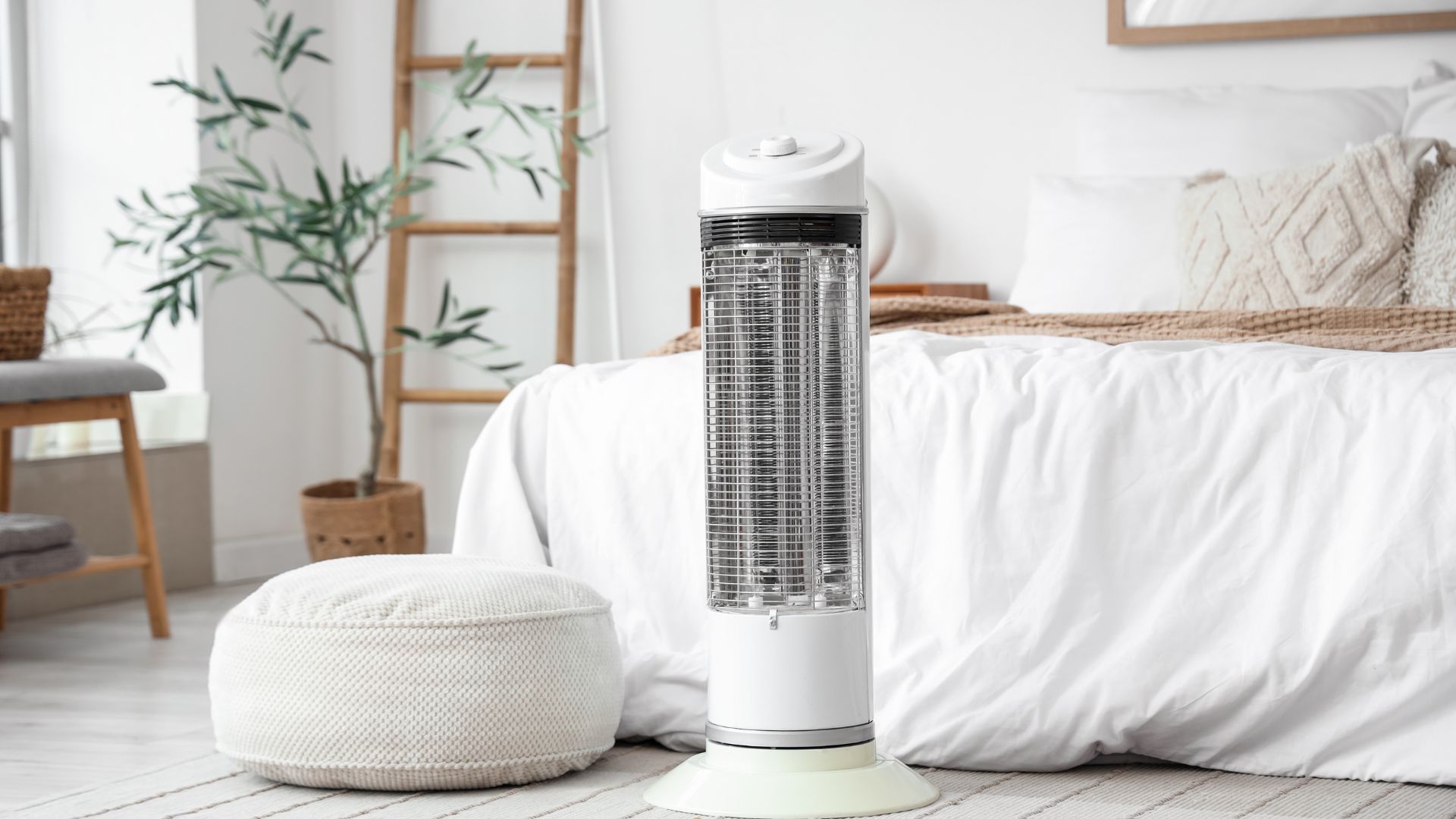
Need a quick way to warm up your basement without major construction work? Portable heaters give you flexibility, but their efficiency and running costs can vary quite a bit. Let’s look at some plug-and-play options to warm up your downstairs space.
Electric space heaters: quick but costly over time
Electric space heaters give you instant warmth in your basement. These compact units work right out of the box – just plug them into any standard outlet. Ceramic models have become popular because they stay cool to the touch, which makes them a safer choice around kids.
You should think over a few things before buying one. These heaters use lots of power if you keep using them. They work best when you:
- Heat small basement areas instead of large spaces
- Need occasional warmth rather than primary heating
- Want to boost your existing heating system
The initial price tag looks attractive (starting at $40), but running costs can get pricey, especially in basements with poor insulation.
Infrared heaters: targeted warmth with low noise
Infrared heaters work differently from standard electric ones. They warm people and objects directly – just as sunlight heats surfaces. This direct approach means infrared heaters use up to 60% less power than regular systems.
On top of that, these heaters run without making any noise since they have no fans or moving parts. This makes them perfect for finished basements where quiet matters. You also get these benefits:
- Heat that you feel right away
- No dust getting blown around (great if you have allergies)
- Less dampness and mold because walls stay dry
Oil-filled radiators: safer for long-term use
Oil-filled radiators excel at heating basements steadily over time. The oil stays permanently sealed inside as a heat conductor – you never need to add more.
These units really shine in how well they hold onto heat. They keep radiating warmth for hours after you turn them off. Tests show some models can keep temperatures between 80-90°F for up to four hours without using any power.
These radiators run completely silent, which makes them ideal for basement bedrooms or entertainment rooms. The large surface spreads heat more evenly through your space, but the outside gets hot – something to watch out for if you have kids or pets around.
Ductless and Zoned Heating Systems
Basement heating needs more than just portable heaters. You need systems that give you exact control and save energy long-term. The best options for a cozy basement are ductless mini-splits and zoned heating systems.
Mini split heat pumps: efficient and customizable
Ductless mini-split heat pumps are the top choice for homeowners who want to save energy. These systems send warm air straight to your space through an indoor unit that connects to an outdoor component with a small pipe. You won’t need any ductwork, which helps cut your energy bills by up to 30% compared to regular systems.
Setting up these systems is pretty simple. You just need a small hole in the wall for the refrigerant lines and wiring. These systems work great in both finished and unfinished basements, and they help keep pipes from freezing when it gets very cold outside.
Zoned heating: control the temperature room by room
Mini-splits really shine with their zoning features. Each indoor unit works on its own, so you can set different temperatures in different parts of your basement. This means you can:
- Heat only the rooms you use
- Set different temperatures for each room
- Skip heating empty spaces
This smart approach uses energy only where you need it, which cuts down your total energy use. That’s why more people choose ductless systems for their basement projects, especially when different areas need different temperatures.
Smart thermostats: automate and optimize usage
Adding a smart thermostat to your basement heating will save even more energy. WiFi thermostats link to your home internet, so you can change the temperature from your phone anywhere. ENERGY STAR-certified smart thermostats have proven energy savings based on real-world data.
Most mini-splits work with compatible smart thermostats. This gives you cool features like scheduled temperature changes, automatic adjustments based on your location, and voice control through Amazon Alexa or Google Assistant.
Built-in and Structural Heating Methods
Structural methods provide exceptional long-term value and efficiency as permanent basement heating solutions. These built-in systems help turn cold basement spaces into comfortable living areas through smart design and installation.
Radiant floor heating: comfort from the ground up
Radiant floor heating emerges as one of the most comfortable basement heating options. The system warms your space from below as hot water flows through tubes or electric cables embedded in the floor. These radiant systems are 20-40% more efficient than forced air methods because they heat objects directly instead of wasting energy to warm air.
The two main types include:
- Electric systems: Perfect for smaller areas with quick installation
- Hydronic systems: More affordable for heating larger spaces
Radiant heating enhances air quality by reducing dust circulation and delivers consistent warmth throughout your basement without temperature variations.
Baseboard heaters: low-profile and quiet
Baseboard heaters serve as a space-saving solution along basement walls. These slim units heat cool air near the floor and create natural circulation as warmth rises. Two varieties currently lead the market:
- Convection models: Draw in cold air and release warm air
- Hydronic models: Oil-filled units that retain heat longer
These heaters work silently, which makes them ideal for finished basements where noise matters.
Central HVAC extensions: pros and limitations
Extending existing ductwork becomes an economical option if you already have central heating. Your current system can warm your downstairs space efficiently with proper sizing. In spite of that, this approach comes with limitations—ductwork might lower the ceiling height, and warm air could escape through tiny cracks.
Alternative and Eco-Friendly Heating Tricks
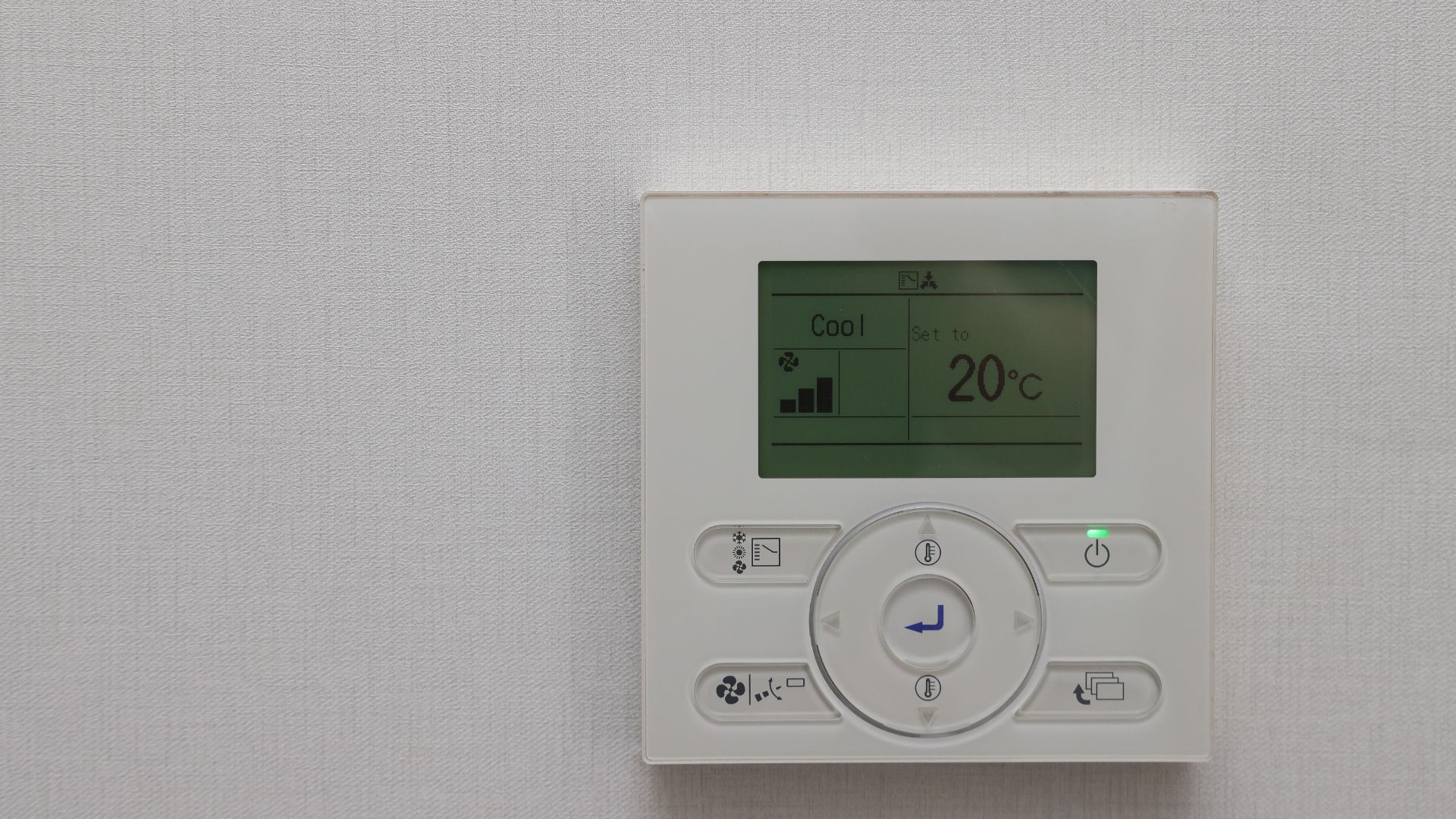
Eco-friendly alternatives to traditional heating systems can save money and protect the environment in basement spaces. These solutions blend energy efficiency with environmental responsibility.
Pellet stoves: low emissions and high output
Pellet stoves make an excellent basement heating choice for homeowners who care about the environment. These units burn compressed wood pellets efficiently, reaching 70-83% efficiency rates based on EPA certification. You’ll need minimal maintenance with a pellet stove—just one refuel each day. These stoves can generate up to 60,000 BTUs at their highest settings, enough heat to warm spaces up to 2,000 square feet effectively.
Sealing air leaks: stop heat from escaping
The “stack effect” pulls cold air through basement cracks while warm air escapes upstairs. You can find these entry points by turning off basement lights and looking for daylight through cracks. Start by sealing larger openings with professional-grade canned spray foam, then use caulk for smaller gaps that measure a quarter inch or less. Your house will maintain even temperatures and you’ll see lower cooling and heating costs.
Insulating walls and ceilings: long-term savings
Good insulation cuts heating and cooling costs by about 15%. Insulated foundation walls in your basement substantially reduce cold air infiltration. The rim joists at your foundation walls’ top need special attention since they let out lots of heat.
Using thermal curtains and rugs for heat retention
Thermal curtains create an insulating air pocket between your window and room that cuts heat loss by up to 65%. You’ll get the best results when you:
- Install curtains several inches above windows
- Ensure they extend well past the sill
- Keep curtains open during sunny hours
Quality thermal curtains also reduce noise by about 10 decibels.
Conclusion
You can turn a cold basement into a warm, energy-efficient space without breaking the bank. All you need is smart planning and the right approach. Our research shows that basements can save you a lot of money on energy costs. The best heating system for your space depends on your needs, budget, and future plans.
Portable heaters like infrared units and oil-filled radiators are great for occasional use, but they might cost more in the long run than fixed solutions. Mini-split heat pumps and radiant floor heating need more money upfront but save you more by heating exactly where you need it.
Eco-friendly options like pellet stoves are both sustainable and budget-friendly. Simple upgrades like proper insulation, thermal curtains, and fixing air leaks can cut your energy use without major renovations.
We tried several of these methods in our basement and saw our energy bills drop. You can expect similar results when you use these smart heating tricks. Your basement doesn’t have to be that cold, forgotten space or an energy drain anymore. The right heating strategy can make it both cozy and cost-effective.
Don’t see basement heating as just another expense – call it a smart investment that pays off through lower energy bills and more living space. The best plan mixes quick fixes like sealing air leaks with long-term solutions that fit your basement’s needs. Your wallet—and your toes—will thank you when winter comes.