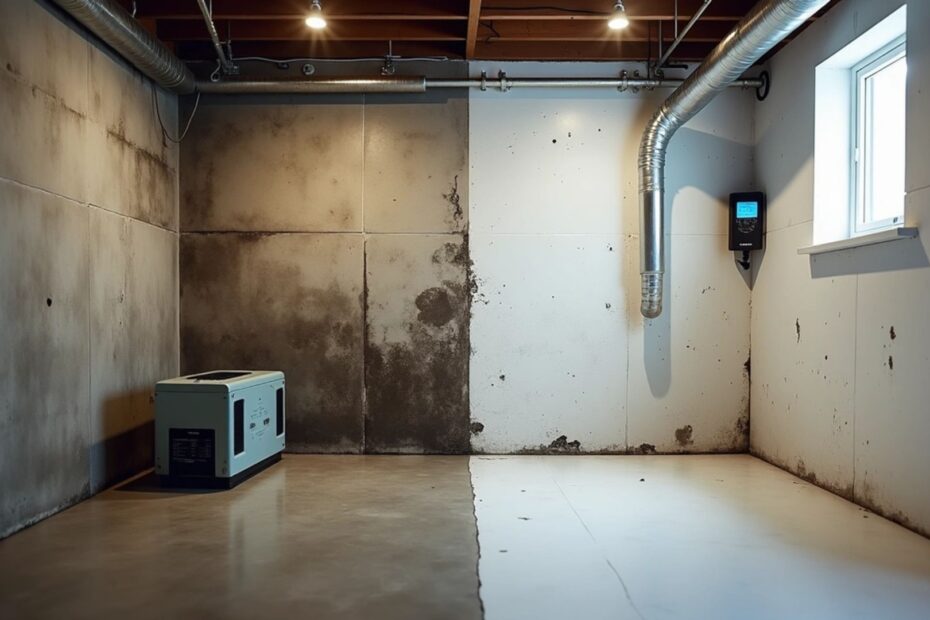
Basement moisture control methods might damage your home more than they help. Installing a vapor barrier at the wrong spot traps moisture in wall assemblies and promotes mold growth. Many homeowners make mistakes that get pricey and result in structural damage, health issues, and extensive repairs.
Moisture problems grow into serious structural threats when left unchecked. The quickest way to prevent moisture in basement spaces demands an understanding of effective and ineffective methods. Your basement needs more than common moisture solutions that could backfire. You should think about controlling moisture through proven techniques. The results matter—a properly waterproofed basement can increase your home’s market value by an average of 30%.
This piece explains why certain moisture control methods fail, how they worsen your situation, and the right steps to maintain a dry and healthy basement long-term.
Common Basement Moisture Control Mistakes

Homeowners often make serious mistakes trying to control basement moisture. These errors can transform a simple dampness issue into major mold problems and structural damage.
Using vapor barriers without sealing cracks
A vapor barrier’s success depends on how well you install it. Many DIY enthusiasts just lay plastic sheeting on the floor and weigh it down with rocks. This approach lets moisture easily bypass the barrier. The right way involves extending the vapor barrier up the walls and sealing it completely to the foundation with spray foam insulation. This foam works as both glue and insulator. Poor sealing at joints, edges, and around openings will substantially reduce how well the barrier works.
Installing barriers on the wrong side of the wall
People get confused about where to place barriers, and this creates big problems. Most people don’t know that concrete foundations contain massive amounts of water that tries to evaporate inward. The wrong placement of plastic sheeting traps moisture between the cold concrete and the barrier. This creates condensation that can’t escape. The trapped moisture creates perfect conditions for mold to grow. People often discover completely rotted studs and soggy insulation after opening their walls. The International Residential Code specifically exempts basement walls from vapor retarder requirements because concrete foundations never dry out completely.
Ignoring floor moisture sources
People tend to focus only on wall moisture and forget about floor moisture sources. Basement moisture control works best when you:
- Put vapor barriers underneath support posts, stairs, heating systems, and oil tanks
- Fix foundation cracks before adding insulation
- Use area rugs instead of permanent carpeting on concrete floors – carpets soak up moisture and become perfect spots for biological pollutants
Over-relying on dehumidifiers
Dehumidifiers help manage basement moisture, but shouldn’t be your only fix. Mechanical dehumidification without fixing the root problems gives false security. Some homeowners think buying a dehumidifier will fix everything. They don’t deal with what’s really causing the moisture to get in, which lets structural damage continue behind their walls.
Why These Methods Can Backfire
Basement moisture control methods can create bigger problems than they fix if things go wrong. Poor installation turns simple moisture problems into serious structural and health risks.
Trapped moisture behind barriers
Vapor barriers create moisture traps between concrete and plastic sheeting if you don’t install them correctly. Concrete foundations naturally contain lots of water that tries to evaporate inward. The moisture gets trapped with nowhere to go when plastic blocks its path. Condensation forms as warm basement air hits cold plastic, and water accumulates in wall assemblies. The concrete and plastic create a double barrier that blocks normal moisture movement and leads to severe damage over time.
Mold growth inside wall cavities
Mold runs on dark, damp wall cavities, even if you can’t see it from your living space. Moisture passes through basement walls by vapor diffusion and creates perfect conditions for hidden mold, even without visible leaks. Mold spores find ideal food sources in wet wood framing, paper-faced drywall, and dust. The mold releases mycotoxins that trigger respiratory disorders and neurological problems.
Increased humidity from poor ventilation
A cycle of moisture problems starts with poor basement ventilation. Your home fills with unpleasant odors as stagnant, humid air helps mold grow. We noticed this happens faster in humid climates, where outside air raises basement humidity and causes condensation on pipes, windows, and floor joists. Dehumidifiers can make things worse if you don’t fix the mechanisms first – they pull moisture into the basement faster, which damages concrete through efflorescence and spalling.
Damage to insulation and framing
Moisture trapped in walls destroys building materials:
- Wet fiberglass insulation loses its thermal resistance as moisture pushes out air
- Your home’s structural integrity fails as wooden support beams rot
- Old basement finishing methods that used fiberglass with polyethylene vapor barriers created perfect spots for hidden mold
These problems need systems that control and redirect moisture instead of trapping it between barriers.
Better Ways to Control Moisture in Basements
A truly dry basement starts by fixing the root problems rather than covering up the symptoms. These proven solutions will help you create a moisture-free basement environment.
Seal foundation cracks and joints first
Your moisture control efforts should start with proper crack sealing. Basic surface fills like caulking or hydraulic cement create a dam effect that could lead to more damage. The best approach is to spot all cracks and apply specialized sealants like epoxy injections or polyurethane foam that provide lasting waterproofing. You should fix even the smallest hairline cracks because they let water seep in and damage your foundation.
Use proper drainage systems
Good drainage systems are the foundations of effective moisture control. Your basement needs these key components:
- Interior perimeter drains that direct water away from foundation walls
- Sump pump systems with battery backups
- Extended downspouts (at least 5-6 feet from foundation)
- Soil that slopes away from your home
Install vapor barriers with ventilation in mind
We installed vapor barriers that need expert handling and proper sealing at seams and edges. A reliable barrier should be at least 6-mil-thick polyethylene. The vapor barrier must extend up the walls and seal tightly to stop moisture from getting through.
Combine insulation with moisture control
Extruded polystyrene (XPS) insulation provides an R-value of 5 per inch and stands up well against moisture. It won’t break down as fiberglass does in damp conditions. This material also allows slow vapor diffusion that keeps moisture from getting trapped behind walls.
Long-Term Basement Moisture Solutions

A permanently dry basement needs constant maintenance and monitoring systems that run 24/7. The right long-term moisture solutions help you avoid expensive foundation damage and protect your family’s health.
Install sump pumps and backup systems
Homes in flood-prone areas or those with high water tables need sump pumps. These systems work best when placed at the lowest point of your basement floor. Battery backup pumps provide extra protection by running for 7-10 hours during power outages. Sump pumps work with perimeter drainage systems to collect water from foundation walls and beneath the floor, which moves water away from your home.
Use mechanical ventilation or air exchangers
Mechanical ventilation systems bring in fresh air while removing stale, humid air. Basements without proper ventilation become damp and attract mold growth. These systems help regulate humidity levels and can run on programmed schedules. Energy recovery ventilators (ERVs) are a great way to get both preheated incoming air and moisture control.
Monitor humidity with sensors
Smart humidity sensors detect water leaks, drain backups, and moisture problems before they cause serious damage. These devices send alerts if humidity goes above 60% – this is a big deal as it means that mold can start growing. Most modern sensors link to mobile apps for custom alerts and live monitoring. Temperature monitoring helps prevent frozen pipes by warning you if your basement temperature drops below 43 degrees.
Schedule annual inspections
Annual maintenance checks are vital for long-term basement protection. Professional inspectors check sump pumps, clean wells, test discharge lines, and examine backup system batteries. Note that these inspections catch small problems before they turn into expensive repairs. Schedule these checks before spring and after summer.
Conclusion
Basement moisture problems just need real solutions, not quick fixes that end up making things worse. Quick fixes can backfire when people don’t implement them correctly. Take vapor barriers – wrong installation traps moisture between concrete and plastic. This creates perfect conditions to grow mold and damage the structure. Using dehumidifiers alone doesn’t work either. They give false security while hidden damage continues.
The quickest way to manage basement moisture is with a detailed plan. You should seal foundation cracks the right way, set up working drainage systems, and install vapor barriers with good ventilation. On top of that, you can combine moisture-resistant insulation with mechanical ventilation to control humidity better.
Note that your basement forms the core of your home’s health and stability. The right approach to moisture problems prevents structural damage from getting pricey. It also keeps your family healthy and maintains your property’s value. Taking time to put proper moisture control in place now helps you avoid bigger problems later.
You might want to ask qualified professionals if you’re not sure about your basement’s moisture levels. A dry and healthy basement adds value to your home’s future and your family’s health. While proper moisture control needs more planning and might cost more upfront than quick fixes, the long-term benefits are worth it.
Run the numbers: Find the right dehumidifier for your space with our dehumidifier size calculator. If water is getting in, compare repair options with our basement waterproofing cost calculator.
Pingback: Basement Waterproofing Cost Calculator - Basement Calculator