Sump Pump Installation Cost Calculator
- 2026 contractor pricing
- Recommends the right horsepower
- Compares DIY vs. pro
How much does sump pump installation cost?
Sump pump installation costs anywhere from about $200 to $4,000. Replacing a pump in an existing pit is the cheap end, typically $400–$800 installed. A brand-new installation, where a crew cuts the slab, digs a pit and runs a discharge line, usually costs $2,000–$3,500, in line with the $1,200 to $2,500+ range Angi reports for professional installs. A battery backup adds about $850.
Here’s what the calculator returns at average U.S. prices for a 1/2 HP submersible pump:
| Job | Hired out | DIY |
|---|---|---|
| Replace an existing pump | $660 | $310 |
| Add a battery backup pump | $850 | $500 |
| Replace pump and add battery backup | $1,510 | $810 |
| New installation (20 ft discharge line) | $2,630 | $890 |
| New installation with backup and outlet | $3,780 | $1,690 |
Sump pump prices by type
| Pump or part | Typical price (unit only) |
|---|---|
| Pedestal pump | $100–$250 |
| Submersible pump, 1/3 HP | $150–$220 |
| Submersible pump, 1/2 HP | $200–$300 |
| Submersible pump, 3/4 HP | $300–$450 |
| Heavy-duty cast iron models | About 50–70% more |
| Battery backup system | $400–$700 |
| Water-powered backup | $250–$400 |
| High-water alarm | $25–$60 |
| Check valve, fittings and pipe | $50–$150 |
Replacing a pump yourself? Compare top-rated sump pumps and battery backups on Amazon. Look for a model that matches your horsepower needs and fits your pit’s diameter. (As an Amazon Associate we earn from qualifying purchases.)
What size sump pump do you need?
For most basements, a 1/2 HP pump is the right choice. It handles the typical 7–10 foot lift from the pit to the wall and keeps up with heavy storms. A 1/3 HP pump is fine for shallow basements where the pump only runs occasionally. Step up to 3/4 HP if the pump runs constantly because of a high water table, or if the water has to be lifted more than about 10–12 feet. Bigger isn’t automatically better: an oversized pump cycles on and off too often, which wears it out faster.
Submersible vs. pedestal pumps
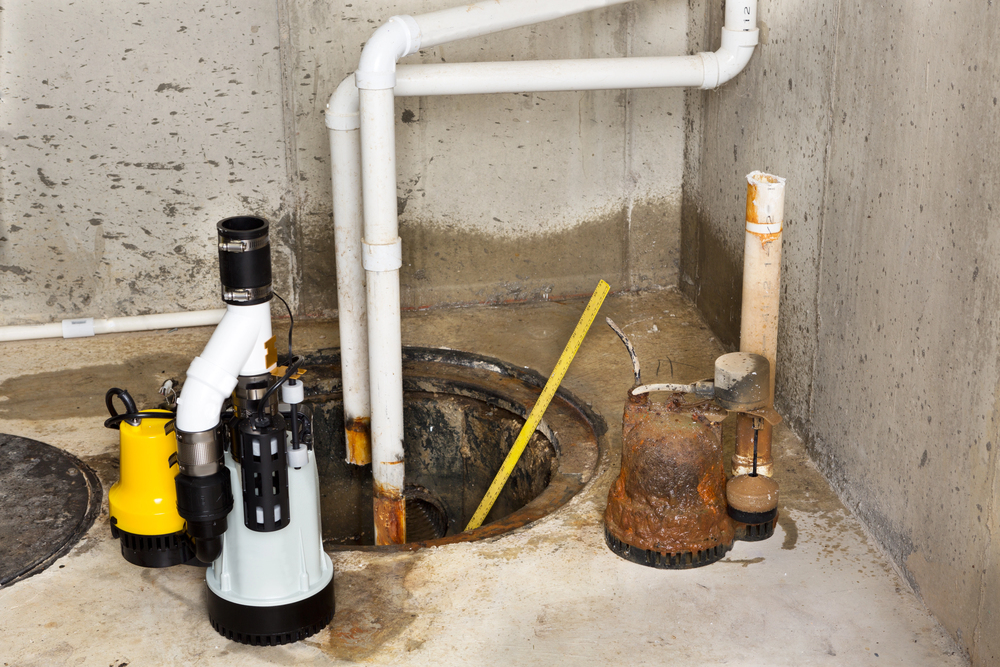
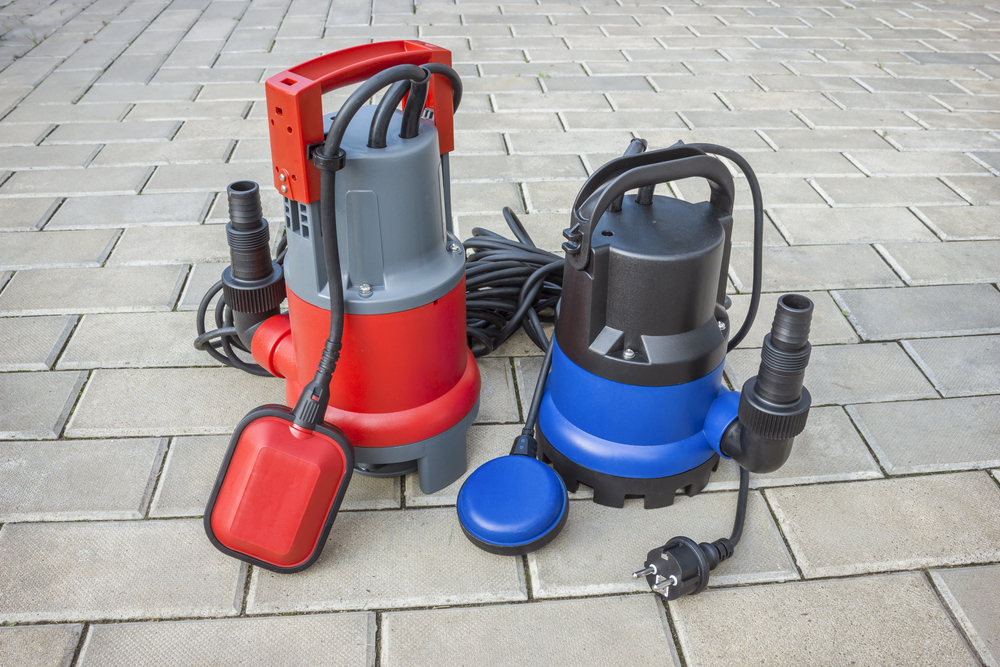
Submersible pumps sit inside the pit, underwater. They’re quieter, more powerful and take up no floor space, which makes them the standard choice for finished and unfinished basements alike. Pedestal pumps keep the motor on a column above the pit. They cost less, last a long time and are easy to service, but they’re louder and better suited to small, narrow pits or utility areas where noise doesn’t matter.
Do you need a backup sump pump?
If your basement is finished or you store anything valuable down there, yes. The storms that fill a sump pit are the same storms that knock out power, and a failed pump can flood a basement in hours. Your options:
- Battery backup pump (about $850 installed). A second pump in the same pit runs off a deep-cycle battery when the power fails or the main pump quits. It’s the most popular option. Replace the battery every 3–5 years.
- Water-powered backup (about $750 installed). It uses city water pressure to pump out the pit, so it never needs a battery. It won’t work on a private well, and it requires a backflow preventer.
- High-water alarm ($25–$60). It doesn’t pump water, but it warns you when the pit is about to overflow. Wi-Fi versions send an alert to your phone.
DIY or hire a pro?
Replacing a pump in an existing pit is one of the easier plumbing jobs. If there’s a working outlet nearby, a handy homeowner can usually swap the pump and check valve in a couple of hours and save a few hundred dollars. Our step-by-step sump pump installation guide walks through it.
A new installation is a different job. You’re breaking concrete with a rented jackhammer, digging below the slab, drilling through the foundation for the discharge line, and possibly adding an electrical circuit. It’s doable for experienced DIYers, but most homeowners hire it out. Permits and inspections may also be required, so check with your town first.
Running and upkeep costs
Sump pumps use surprisingly little electricity because they only run for short bursts. A 1/2 HP pump that runs after storms typically costs $10–$40 a year to operate, and even a pump running constantly in a high water table rarely tops $100. The bigger ongoing costs are:
- Replacement every 7–10 years. Pumps that run constantly wear out sooner.
- Backup batteries every 3–5 years, at $150–$300.
- Quarterly testing. Pour a bucket of water into the pit to make sure the float triggers and the pump empties it.
- Annual cleaning of the pit and intake screen. Optional professional service plans run about $100–$250 a year.
Installation tips that prevent problems
- Put the pit at the lowest point of the basement, ideally where interior drain tile can feed it.
- Install a check valve on the discharge line so water doesn’t flow back into the pit.
- Discharge water 10–20 feet from the foundation, downhill and away from neighbors. Many towns prohibit pumping into the sanitary sewer.
- Plug the pump into a dedicated GFCI outlet, not an extension cord.
- Protect the outdoor line from freezing with a freeze-guard fitting in cold climates.
A sump pump is usually one part of a larger fix. If water is getting in along the walls, pair it with an interior drain system. Price the full job with our basement waterproofing cost calculator.
Related guides
- How to install a sump pump
- Basement waterproofing cost calculator
- Dehumidifier size calculator
- Crawl space encapsulation cost calculator
Frequently asked questions
How much does it cost to replace a sump pump?
Typically $400–$800 hired out for a standard submersible pump in an existing pit, or $200–$400 if you do it yourself. Heavy-duty cast iron pumps and larger horsepower add $100–$300.
How much does it cost to install a sump pump where there isn’t one?
Usually $2,000–$3,500. The job includes cutting the concrete floor, digging and setting a sump basin, installing the pump and running a discharge line through the foundation. A battery backup or new electrical outlet adds to that.
How long does a sump pump last?
Most sump pumps last 7–10 years. Pumps that run constantly, or that pump water with a lot of sediment, wear out sooner. Test yours every few months and replace it at the first sign of trouble.
Does homeowners insurance cover sump pump failure?
Standard policies usually exclude water damage from a failed or overwhelmed sump pump. Many insurers offer a water backup or sump pump endorsement that adds coverage for a modest extra premium. Check your policy.
How much does it cost to run a sump pump?
Very little. A typical 1/2 HP pump costs about $10–$40 a year in electricity, because it only runs for short periods. Pumps that run constantly in a high water table may cost $50–$100 a year.
Pingback: Basement Waterproofing Cost Calculator - Basement Calculator
Pingback: Elevated Home Designs for Flood Zones
Pingback: Monthly Basement Maintenance Guide