A staggering 98% of U.S. basements will experience water damage at some point. This makes a reliable home maintenance checklist crucial if you own a below-grade space. My experience shows that basements face serious risks from moisture, structural problems, and hidden issues that can lead to costly repairs.
The numbers tell a concerning story. A single inch of water leads to $25,000 in damage. Foundation repairs cost between $2,300 for minor cracks and over $10,000 for major stabilization. More than 54% of homeowners wait until something breaks to take action. This approach creates serious risks, especially when you have basements where mold starts growing within 24–48 hours after water exposure.
Your basement needs a monthly home maintenance checklist to prevent these problems. This piece outlines our expert inspection checklist that covers moisture detection and structural warning signs. You can protect your investment and stay ahead of that 98% statistic by doing this and being systematic with maintenance.
Monthly Moisture Checks to Prevent Damage

Water damage ranks as the most destructive basement problem homeowners face. Regular moisture checks can save thousands in repair costs and stop serious structural problems. Here’s what should be on your monthly home maintenance checklist:
1. Look for water stains on walls and floors
Water stains give away moisture problems in your basement quickly. These show up as yellowish-brown discolorations on walls or floors. They might seem minor at first, but they grow bigger over time. Watch out for:
- Discolored spots on the basement walls or ceilings
- Paint or wallpaper that’s peeling off
- White chalky deposits (efflorescence) on concrete or brick surfaces
Basement waterproofing professionals say these visual signs point to water seeping through the foundation or leaks from hidden pipes. Letting these signs go unchecked leads to structural damage and mold growth.
2. Check for musty or damp smells
A lingering musty odor in your basement warns you about moisture problems early. This distinct smell shows up before you can see any damage. Your basement might be naturally damp, but it shouldn’t smell musty.
During your monthly check, remember these smells usually come from mildew or mold growing in hidden wet spots – often behind walls or under flooring. Quick action on these odors stops bigger damage and health risks.
3. Test the sump pump with a bucket of water
Your sump pump stands as your first defense against basement flooding. Pour water into the sump pit each month until the float rises and starts the pump. Make sure water flows out properly through the outlet pipe.
Strange noises might mean damaged parts. Testing becomes vital before storm season hits. A working sump pump keeps your basement dry by removing excess water effectively.
4. Inspect gutters and downspouts for clogs
Clogged gutters cause wet basements more than almost anything else. Your monthly gutter and downspout check should look for:
- Blockages from leaves, twigs, and debris
- Proper roof alignment
- Secure house attachment
- Water flows at least five feet from your foundation
Your gutter system shields your foundation from water damage. Water pooling around your house needs immediate attention to prevent expensive foundation issues and basement flooding.
Structural and Foundation Red Flags to Watch
Your home’s foundation problems show up through small changes that get worse over time. A monthly home maintenance checklist with structural checks will help you spot problems before they turn into expensive disasters.
1. Get into wall cracks – new ones and those getting bigger
Wall cracks tell different stories. When you check your basement walls, here’s what you should watch for:
- Horizontal cracks – These are the most serious ones that indicate soil pressure against your foundation
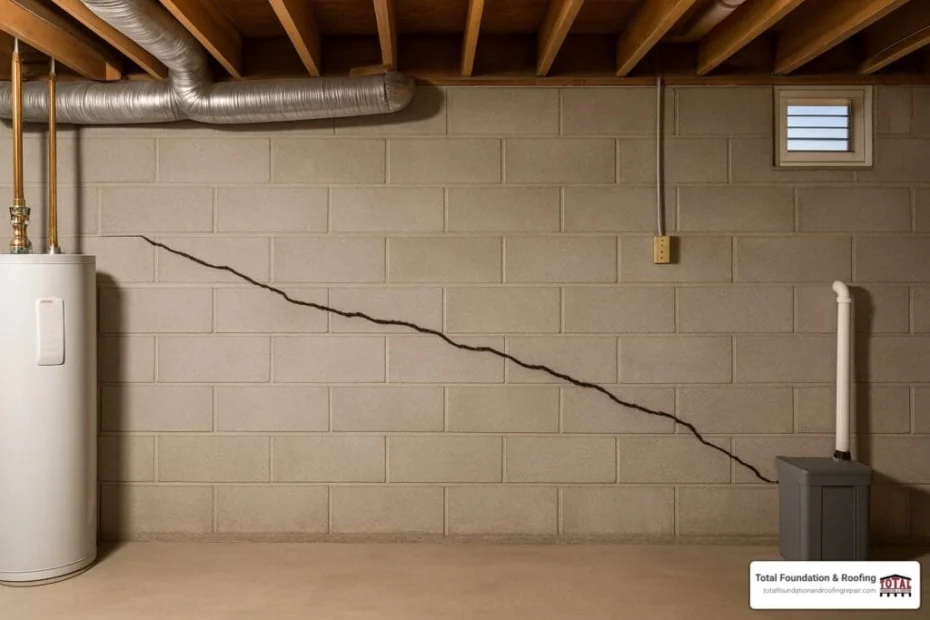
- Diagonal or stair-step cracks – These usually mean your foundation isn’t settling evenly
- Vertical cracks wider than 1/8 inch – You might have structural stress instead of normal settling
Home inspectors warn that cracks that keep getting wider need immediate attention. These cracks often show active foundation movement happening right now.
2. Look for walls that bow or bulge
A bowing wall is a serious red flag on any basement inspection checklist. You’ll see a visible curve or bulge with horizontal cracks running through the middle.
Walls that tilt inward or show bulges bigger than 1.5 inches need a professional to look at them right away. Soil pressure around your foundation usually causes this problem and can make walls fail.
3. Check if floors are uneven or have soft spots
Uneven floors usually come with other foundation issues. A simple test is to put a marble on your basement floor – it shouldn’t roll anywhere.
Floor sections that feel soft, bouncy, or saggy point to weak joists or water damage below. Gaps showing up between your floors and walls mean your foundation is moving.
The same problems that cause wall cracks – soil moisture changes, uneven settling, or weak supports – create these floor issues too. In spite of that, finding these problems early through regular home maintenance checks can save you thousands in repairs.
Air Quality and Ventilation Maintenance
Good air quality management is the lifeblood of taking care of your basement properly. You need to control invisible moisture in the air to prevent long-term damage to your home and possessions, not just check for visible water.
1. Use a hygrometer to monitor humidity
A hygrometer helps measure basement humidity levels and belongs on every home maintenance checklist. Your basement’s humidity should stay between 30 50% to prevent mold growth. The hygrometer works best at eye level, away from direct moisture sources. Different areas of your basement can have varying humidity levels, so check multiple spots. Readings over 60% mean you have excess moisture that needs quick attention. Levels under 30% point to conditions that are too dry.
2. Run a dehumidifier if needed
Your basement needs a dehumidifier when the humidity stays above 50%. The unit size should match your basement’s square footage. You can pick a portable model for smaller areas or go with a whole-home system for bigger spaces. The dehumidifier works best in a central spot with 12 inches of space around it for good airflow. The unit will stay efficient if you clean its filters often. Models with built-in timers that adjust to temperature changes might work better for you.
3. Check vents for blockages
Your monthly basement checklist should include checking all vents for blockages. Clear vents let your HVAC system move air efficiently. Look out for obvious damage or buildup of debris. Fans placed in strategic spots help maintain proper airflow. A basement with poor ventilation traps moisture like a sealed Ziploc bag, creating perfect conditions for mold to grow.
4. Watch for condensation on windows or pipes
Warm, moist air meeting cool surfaces causes condensation. This serves as an early warning sign of humidity problems. Water droplets on windows, pipes, and walls need your attention. These moisture signs tell you your basement needs better ventilation. Problems often show up after you notice condensation. Better air circulation and fewer humidity sources will help address these issues quickly.
Plumbing, Electrical, and Safety Checks

Your basement’s plumbing and electrical systems need monthly checks to prevent disasters. These checks go beyond moisture and structural concerns.
1. Look for leaks or rust in exposed pipes
Take a close look at all visible pipes to spot signs of moisture, corrosion, or rust. Joints and connections need extra attention since they often leak first. When your taps release rusty water, internal corrosion might be the cause. Don’t ignore even tiny drips – they usually get worse over time rather than fixing themselves. Early detection helps you avoid major water damage down the road.
2. Watch for pooling water near the water heater and laundry
Your water heater needs a complete inspection every month. Search for puddles around the tank’s base and where pipes connect. Rust spots on the tank’s exterior often indicate deterioration on the inside. The laundry area needs attention, too – worn hoses can spell trouble since a burst washer hose dumps 300-500 gallons per hour. You might want to put moisture alarms behind washers and near water heaters – they cost about $10 plus a battery.
3. Make sure outlets and switches work properly
Feel outlets and switches for unusual heat. Strange smells, especially “hot wire” odors, need immediate attention. Popping or crackling sounds point to dangerous wiring issues. A receptacle tester (also known as a “cube” tester) helps verify proper wiring quickly. GFCI outlets should cut power instantly when you press their test button – try this monthly.
4. Keep your electrical panel dry and easy to reach
Your electrical panel needs three feet of clear space around it. Store a battery-powered light nearby for emergencies. Check inside the panel monthly for any rust or signs of rodent entry. Test circuit breakers by switching them on and off to make sure they move freely without corrosion. Water near electrical parts creates serious hazards – fix any moisture issues right away.
Conclusion
Don’t wait for a crisis to pay attention to your basement. Monthly inspections can save you thousands in repair costs and protect your home’s foundation and value. Many homeowners wait until they see problems, but damage has already spread beneath the surface by then.
Water stains and musty odors are your first warning signs. Almost all basements (98%) will face water damage at some point. You should also watch for foundation issues before they need major repairs. The air quality needs monitoring, especially when you have high humidity, which can lead to mold growth and affect your health.
Plumbing and electrical safety checks are crucial, too. Small leaks can turn into costly water damage, and faulty wiring creates serious safety hazards.
This complete monthly routine might seem like a lot of work at first. But spending an hour each month makes more sense than paying $25,000 for water damage fixes or $10,000+ for foundation repairs. Remember, your basement supports everything above it – it’s the true foundation of home maintenance.
Start using this checklist today to join the smart homeowners who prevent disasters instead of just reacting to them. Your wallet, home value, and peace of mind will benefit.