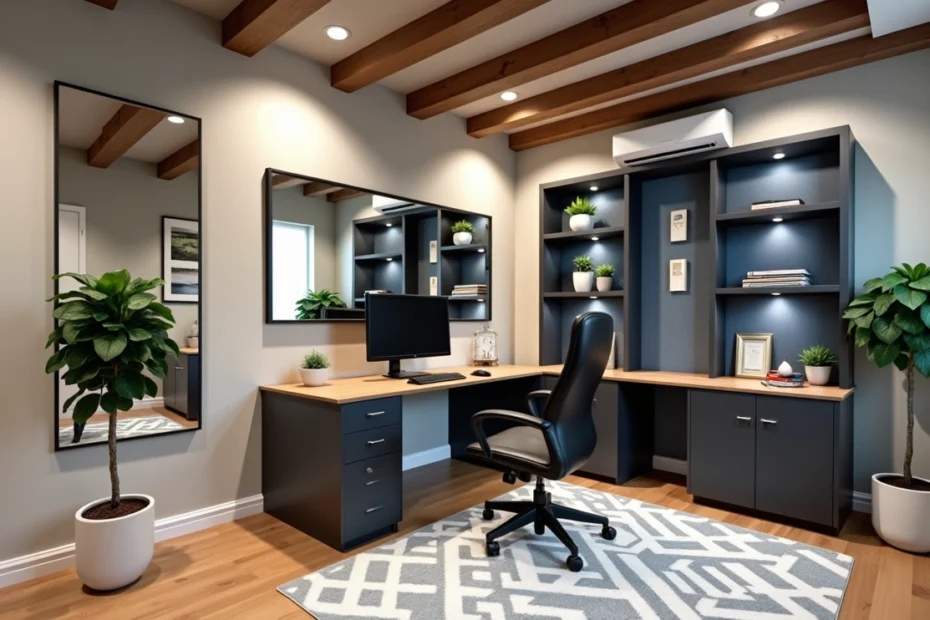
Basement office ideas are revolutionizing the way we use one of our homes’ most overlooked spaces. Remote work has become standard practice for professionals in every field. That dimly lit storage area downstairs can turn into one of your home’s most dynamic and practical spaces.
Creating a basement home office needs more than basic desk and chair placement. A thoughtfully designed basement workspace becomes an investment in both your career success and quality of life. The costs typically range from $25 to $ 50 per square foot for simple finishing. These basement office designs give you great value compared to other home additions. This piece explores modern basement office concepts that will help you build a space to boost focus, show your style, and help you move naturally between work and home life.
Evaluating Your Basement for Office Use
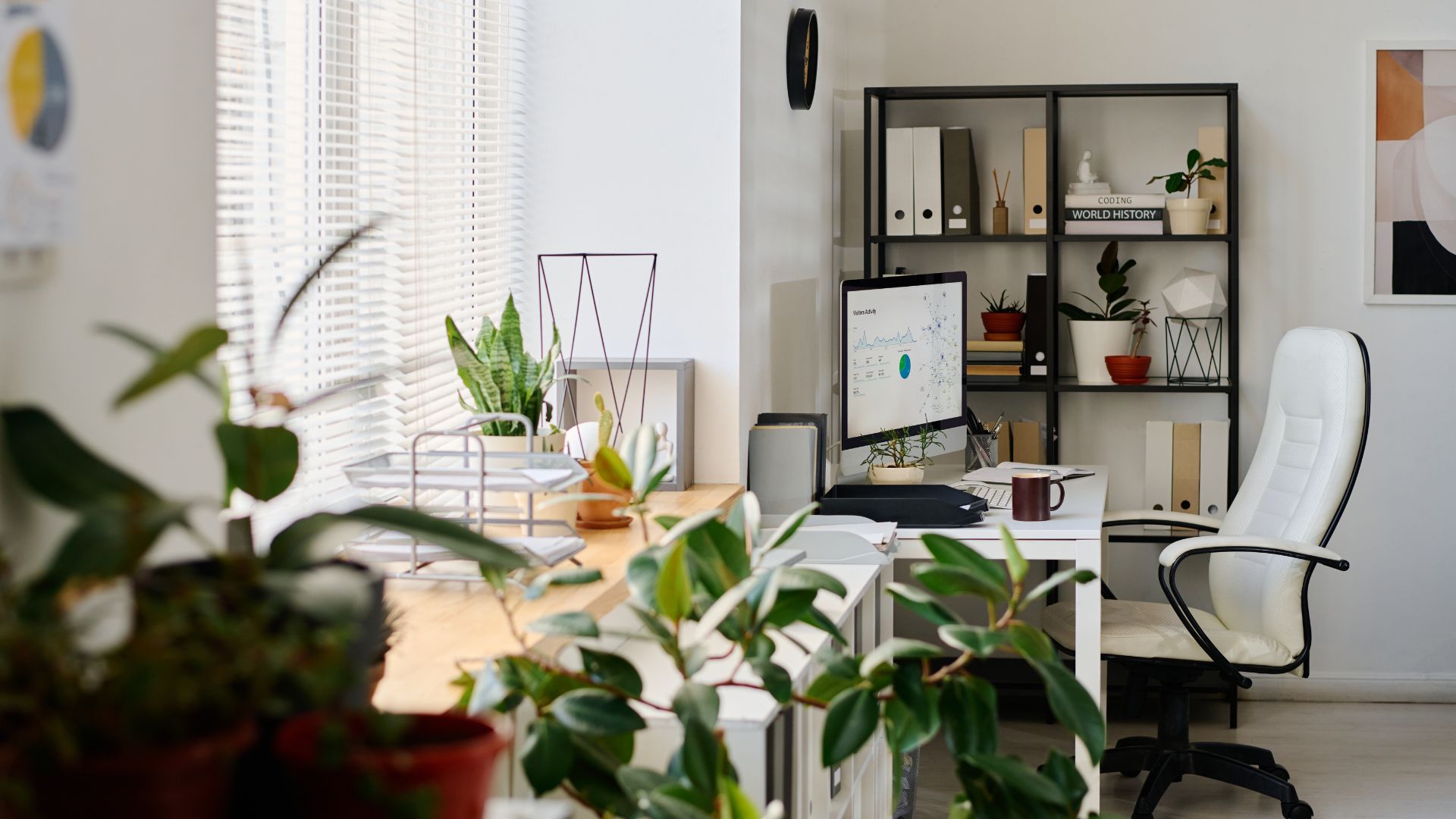
A full picture of your space is needed before you set up your dream basement home office. Time spent on proper planning now will help you avoid getting pricey problems down the road.
Check for moisture and ceiling height
Moisture remains the biggest enemy of any basement office ideas. A simple moisture test involves taping a 2-foot square of plastic sheeting to your floor and walls. Condensation forming underneath after 24 hours means you need waterproofing work first. Watch out for these signs:
- Musty odors or visible mold
- Damp spots on walls or floors
- Peeling paint or efflorescence (white mineral deposits)
Your basement’s ceiling height must meet building codes that require at least 7 feet for habitable spaces. The height should not drop below 6 feet 4 inches in areas with beams or ductwork. Take measurements carefully before you plan your modern basement office ideas.
Understand permit and zoning requirements
You’ll need permits for most basement office conversions, especially with major electrical upgrades or structural changes. Permit costs typically range from $500 to $2,000. Your basement office might need permits if you plan to:
- Add new electrical circuits for office equipment
- Install egress windows (required for bedrooms or living spaces)
- Make structural modifications
- Convert to a commercial space (which may have additional requirements)
Plan layout around structural elements
Take accurate measurements and identify all structural components like support beams, pillars, and utility areas before finalizing your basement home office ideas. A clear picture of your space helps create the quickest way to arrange your office. Your desk and equipment placement should factor in electrical access, natural light sources, and noise levels.
Estimate your renovation budget
Simple basement finishing costs between $25 and $50 per square foot, and specialized office needs add to that baseline. Here are the vital investments:
- Waterproofing: $1,900 to $6,500
- Electrical upgrades: $100-$450 per outlet, $150-$900 per light fixture
- HVAC extensions: $2,000-$11,000
A 20% contingency fund should cover unexpected issues. Smart budgeting is vital – the costs might look substantial at first, but a well-designed basement home office adds functional space and potential property value.
Setting Up the Right Infrastructure
A resilient infrastructure forms the foundation of any productive basement home office. You need to plan your workspace carefully and think about the systems that will support your equipment and comfort for years ahead.
Install dedicated electrical circuits
Your basement office needs more power than existing circuits can handle. A dedicated 20-amp circuit for your office equipment will prevent frustrating breaker trips and protect your valuable electronics. The combined wattage of office essentials adds up quickly – dehumidifiers use about 400 watts, while coffee makers and toasters can use 800-1500 watts each. Your basement office needs GFCI protection near water sources and AFCI protection to reduce fire risks. Each high-demand device, like dehumidifiers, HVAC systems, and computer setups, should have its own dedicated circuit to work safely.
Ensure strong internet connectivity
Concrete walls and distance from routers often block Wi-Fi signals in basements. The quickest way to get a reliable connection depends on your home’s setup. Running an Ethernet cable straight from your router gives you the fastest, most stable connection. MoCA adapters can employ existing coaxial cables to create a strong network link. Powerline adapters can transmit internet signals through electrical wiring when other options won’t work, though your wiring quality affects performance. Plan your office layout around your chosen connectivity solution.
Plan for HVAC and dehumidification
The right humidity level is vital in basement spaces. Keep humidity between 45-50% to stop mold growth and protect your electronic equipment. A whole-home dehumidifier linked to your HVAC system gives you the most detailed moisture control throughout your workspace. These systems drain automatically, so you won’t need to empty water reservoirs. Good ventilation helps dehumidification work better – you might want to open basement windows now and then to improve air flow.
Use moisture-resistant materials
Basements tend to be damp, so picking the right building materials matters. Moisture-resistant gypsum panels like Sheetrock Mold Tough come with water-repellent paper and resistant cores that curb mold growth. Cement boards like Durock work well in areas with higher moisture exposure. They provide a water-durable base that won’t swell, soften, decay, or separate when exposed to water. These materials protect your workspace and keep your equipment and health safe from moisture damage.
Designing for Comfort and Productivity
A comfortable basement workspace needs more than simple infrastructure. Your thoughtfully designed office will improve your well-being and output quality.
Choose ergonomic furniture
Good ergonomic support forms the foundation of a productive workspace. You need chairs with adjustable lumbar support, armrests, and height settings that reduce muscle fatigue and back pain. NASA-inspired contoured seats can decrease pressure points by a lot during long work sessions. Height-adjustable desks let you switch between sitting and standing positions throughout the day and promote better posture and energy levels.
Use layered lighting for focus and mood
Basements need 20% more lighting than above-grade spaces. A three-tier approach works best:
- Ambient lighting for overall illumination
- Task lighting for focused work
- Accent lighting to create visual interest and reduce eye strain
Basements with low ceilings benefit from recessed ceiling lights that preserve precious headroom. LED strip lighting along shelves or under cabinets adds extra dimension. Smart lighting systems adjust brightness and color temperature throughout the day and help maintain your circadian rhythm despite being underground.
Add soundproofing for quiet work
Good soundproofing turns your basement into a distraction-free environment. Acoustic caulk must seal every gap—a single unsealed opening can reduce soundproofing effectiveness by up to 50%. Solid-core doors with perimeter seals and sweeps create airtight barriers. Acoustic panels on walls and ceilings absorb echo and can serve as decorative elements when covered with fabric or art.
Incorporate smart storage solutions
Adjustable shelving units help you use your basement’s vertical space. Clear, labeled bins make supplies visible and organized. Built-in cabinetry with doors creates a cleaner aesthetic, especially in video call backgrounds. Multi-purpose basement offices stay adaptable with modular furniture that has hidden storage.
Create a professional video call setup
Your desk should face your lighting setup to avoid backlighting that creates silhouettes. A webcam placed slightly above eye level and a video window near your camera help maintain natural eye contact. Your desk should face well-designed built-ins or tasteful decor for a professional background. Quality audio comes from an external microphone 5-6 inches from your mouth, and headphones prevent feedback loops.
Adding Style and Personal Touches

A basement workspace should match who you are and help you stay productive. The way your environment makes you feel directly affects your work quality and job satisfaction.
Pick colors that energize and calm
Your basement office mood starts with the right color palette. Light blues and greens help you focus and feel peaceful. Adding warm touches of yellow or orange brings energy to the space. An off-white background clears your mind, while rich navy blue adds sophistication. Purple might spark creative thinking if you need fresh ideas.
Use plants and natural textures
Basement spaces can be improved with elements from nature. You’ll want low-light plants like pothos, snake plants, or ZZ plants that clean the air and balance humidity. Adding natural materials such as wood desks, bamboo shades, or stone tabletops reduces stress and lifts your mood. These natural touches make your basement feel more welcoming and less artificial.
Define work zones with rugs or dividers
Area rugs under your desk or decorative screens create visual boundaries. Your brain learns to switch into work mode more easily with these cues, which helps a lot if your basement has multiple uses.
Integrate smart home features
Smart voice controls let you adjust lights, temperature, and other settings without stopping your work. Your equipment can power down automatically after hours through smart outlets, which saves on energy costs.
Conclusion
Converting your basement into a home office takes careful planning, but the results make it worth the effort. This piece explores how you can turn unused space into your professional sanctuary with the right preparation and design.
Moisture control and infrastructure are the foundations of any successful basement office conversion. Even the most beautiful design will face issues without addressing these core elements. Your budget planning should prioritize proper electrical circuits, smooth internet connectivity, and effective dehumidification.
Your comfort directly impacts your productivity. A combination of ergonomic furniture, layered lighting, and sound management creates an environment where you can focus without physical strain or distraction. Smart storage solutions help keep your workspace tidy and maximize the available square footage.
Personal touches transform your basement office into your own space. The right colors, natural elements, and defined work zones contribute to a space that feels professional yet comfortable. You’ll spend more than 40 hours weekly in this environment, so it should reflect your personality while supporting your work needs.
The cost of $25-50 per square foot might seem high at first, but a well-designed basement office adds value to your property and enhances your daily work experience. It creates a clear boundary between your professional and personal life – something that becomes more valuable as remote work becomes the norm.
Your basement has hidden potential. The ideas we’ve shared can help you create a productive, comfortable workspace that supports your career goals and makes the most of every square foot in your home.