Mold Remediation Cost Calculator
- 2026 contractor pricing
- Follows EPA size guidance
- Includes testing and rebuild
How much does mold remediation cost?
Most homeowners pay $1,200 to $3,800 for professional mold remediation, or roughly $10 to $25 per square foot of affected area. Small patches on concrete can cost a few hundred dollars. Mold that has spread behind finished walls, through a crawl space or into the ductwork can run $5,000 to $15,000 or more. The biggest cost drivers are how much area is affected, what the mold is growing on, and whether walls have to be torn out and rebuilt.
Here’s what the calculator returns for common jobs at average U.S. prices, including an inspection and a clearance test:
| Job | Estimated cost |
|---|---|
| 30 sq ft on basement concrete walls | $1,800 |
| 50 sq ft of basement drywall, removed and rebuilt | $2,450 |
| 100 sq ft behind finished basement walls, removed and rebuilt | $3,960 |
| 200 sq ft of crawl space framing, dry ice blasting, sealant and dehumidifier | $8,490 |
| 400 sq ft across a finished basement, rebuilt, plus duct cleaning | $12,900 |
When you can remove mold yourself
The EPA’s guidance is based on size. If the moldy area is under about 10 square feet (roughly 3 feet by 3 feet), most homeowners can handle it themselves, as long as the mold isn’t caused by sewage or contaminated water. Anything larger should be handled by a professional with proper containment.
- Wear an N95 respirator, gloves and goggles, and keep the area ventilated.
- Scrub hard surfaces with detergent and water, then dry them completely within 24 to 48 hours.
- Throw away porous materials that stay moldy, like drywall, ceiling tiles and carpet. They can’t be cleaned.
- Never mix bleach with ammonia or other cleaners. Bleach isn’t necessary for most cleanup.
- People with asthma, allergies or weakened immune systems should leave the job to someone else.
What professional remediation includes
- Inspection and testing to find the full extent of the mold and the moisture that caused it.
- Containment with plastic sheeting and negative air pressure, so spores don’t spread to the rest of the house.
- Removal of moldy drywall, insulation and other porous materials, usually at least a foot past visible growth.
- Cleaning of framing and hard surfaces with HEPA vacuums, scrubbing, blasting and antimicrobial treatment.
- Air filtration and drying with HEPA air scrubbers and dehumidifiers.
- Clearance testing to confirm the area is clean before walls are rebuilt.
Dry ice blasting vs. standard removal
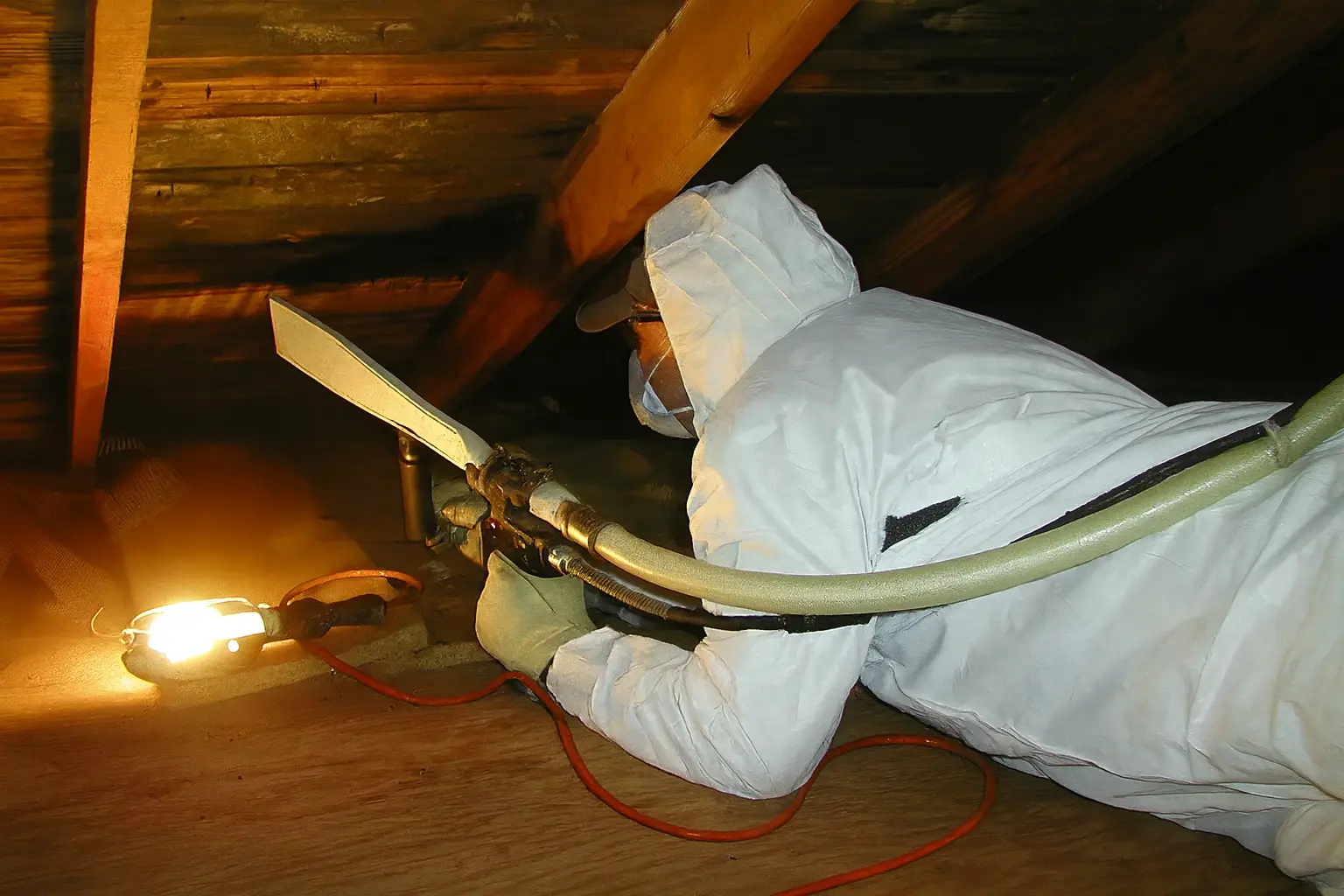
Dry ice blasting shoots pellets of frozen carbon dioxide at moldy surfaces. The pellets knock mold off and then turn into gas, so there’s no water to dry and no grit to clean up. It’s fast and thorough on large areas of wood framing, which makes it popular for crawl spaces and attics. It costs more per square foot than standard removal, but it can finish big jobs faster. Soda blasting uses baking soda as a gentle abrasive and is a lower-cost alternative. For small patches in a basement, standard removal with HEPA vacuuming, scrubbing and antimicrobial treatment is usually all you need.
What affects the price
- Size of the affected area. Costs scale with square footage, and anything over about 100 sq ft needs full containment.
- What the mold is on. Concrete can be cleaned in place, wood framing takes more work, and drywall and insulation must be cut out and replaced.
- Access. Crawl spaces, attics and mold behind finished walls all add labor.
- Rebuild. Replacing drywall, insulation, trim and paint can add several dollars per square foot.
- Spread into HVAC. Mold in ductwork needs separate cleaning and treatment.
Fix the moisture or it comes back
Mold needs moisture to grow. Remediation without fixing the water source is money wasted, because the mold will return. Common basement culprits are leaks through walls or floors, high humidity, condensation on cold pipes and walls, and poor drainage outside. Keep indoor humidity below about 50%, fix leaks promptly, and dry any wet materials within 48 hours. Depending on what you find, see our waterproofing cost calculator, dehumidifier size calculator or crawl space encapsulation calculator.
Hiring a mold remediation company
- Look for certification from the IICRC (Institute of Inspection, Cleaning and Restoration Certification) and check whether your state licenses mold contractors.
- Consider separating testing from removal. Some states require it, and using an independent inspector avoids a conflict of interest.
- Get at least three written quotes that spell out the containment, what will be removed, how surfaces will be treated and whether clearance testing is included.
- Be wary of scare tactics and “black mold” urgency pitches. Any mold should be removed, but the color doesn’t determine the price or the process.
Related guides
- Crawl space cleaning cost calculator
- Dehumidifier size calculator
- How to monitor basement air quality
- Moisture control mistakes to avoid
Frequently asked questions
How much does mold remediation cost in a basement?
Most basement mold jobs cost $1,200 to $3,800, or about $10 to $25 per square foot of affected area. Mold behind finished walls or spread across a whole basement can cost $5,000 to $15,000 or more once removal, rebuilding and testing are included.
Can I remove mold myself?
For areas under about 10 square feet on hard surfaces, yes, with an N95 respirator, gloves and goggles. Larger areas, mold in HVAC systems, mold from sewage or contaminated water, and anyone with respiratory problems call for a professional.
Does homeowners insurance cover mold removal?
Only in some cases. Policies may cover mold that results from a sudden, covered event like a burst pipe, often with a dollar limit. Mold from long-term leaks, humidity or poor maintenance is usually excluded.
How long does mold remediation take?
Small jobs take about a day. Medium jobs usually take one to three days, and large jobs with full containment and rebuilding can take a week or more, plus time for clearance testing.
Is dry ice blasting worth it for mold?
For large areas of wood framing in crawl spaces and attics, often yes. It’s fast, leaves no water or residue, and reaches into rough surfaces. For small basement patches, standard cleaning is usually enough and costs less.
Pingback: Crawl Space Cleaning Cost Calculator - Basement Calculator